
Do You Need Council Approval for a Gazebo? UK Guide
Garden gazebos are a lovely addition to UK gardens, offering a great space for relaxation and entertainment. However, before installing one, it is crucial to understand the planning regulations that govern these structures.
Not all gazebos require formal approval, but there are specific criteria that determine whether planning permission is needed. Regulations can vary between different local authorities across the UK, making it essential to check local guidelines to avoid potential legal issues and fines.
This article provides a comprehensive guide on when planning permission is required for gazebos and how to ensure compliance with UK regulations.
Inhaltsverzeichnis
Key Takeaways
- Check local planning regulations before installing a gazebo.
- Not all gazebos require formal planning permission.
- Regulations vary between different local authorities in the UK.
- Understanding planning rules can prevent legal issues and fines.
- Both permanent and temporary gazebo structures have different regulatory requirements.
Understanding Planning Permission for Garden Structures
Planning permission is a critical aspect to consider when planning to build or install garden structures. It ensures that your project complies with local regulations and is considerate of the surrounding community.
What is Planning Permission?
Planning permission is a legal requirement for certain types of development, including some garden structures. It is the process of obtaining approval from the local planning authority before starting a project. Obtaining planning permission ensures your building projects are legally compliant and considerate of the community.
Why Planning Permission Matters
Planning permission is crucial for several reasons. It helps maintain the character and appearance of neighbourhoods, protects property values, and prevents inappropriate development that might negatively impact neighbours or the local environment. The following table highlights key reasons why planning permission matters:
| Reason | Description |
|---|---|
| Legal Compliance | Ensures that your project complies with local laws and regulations, avoiding potential enforcement action and fines. |
| Community Consideration | Prevents development that might negatively impact neighbours or the local environment. |
| Property Values | Helps maintain the character and appearance of neighbourhoods, protecting property values. |
| Future Clarity | Creates a formal record of approved changes, providing clarity for future property owners and local authorities. |
When You Don’t Need Council Approval for a Gazebo
Before erecting a gazebo, it’s vital to determine whether it falls under permitted development rights or requires planning permission. In many cases, homeowners can install a gazebo without needing to obtain council approval, provided certain conditions are met.
Permitted Development Rights Explained
Permitted development rights allow homeowners to undertake certain building works, including installing a garden gazebo, without the need for planning permission. These rights are subject to specific criteria, including the size and height of the structure, its location, and its intended use. For a gazebo to qualify under permitted development rights, it must be used for non-commercial purposes and not for sleeping.
Size and Height Restrictions
The size and height of your gazebo are critical factors in determining whether you need council approval. The height must not exceed 2.5 metres if it’s within 2 metres of the boundary, or up to 3 metres if it’s further away. Additionally, the gazebo should not cover more than 50% of the total land around the original house as of 1 July 1948. To ensure compliance, it’s essential to measure the gazebo correctly, taking into account its highest point, including any platforms or bases.
| Gazebo Location | Maximum Height |
|---|---|
| Within 2 metres of boundary | 2.5 metres |
| Further than 2 metres from boundary | 3 metres |

Temporary Gazebos and Planning Requirements
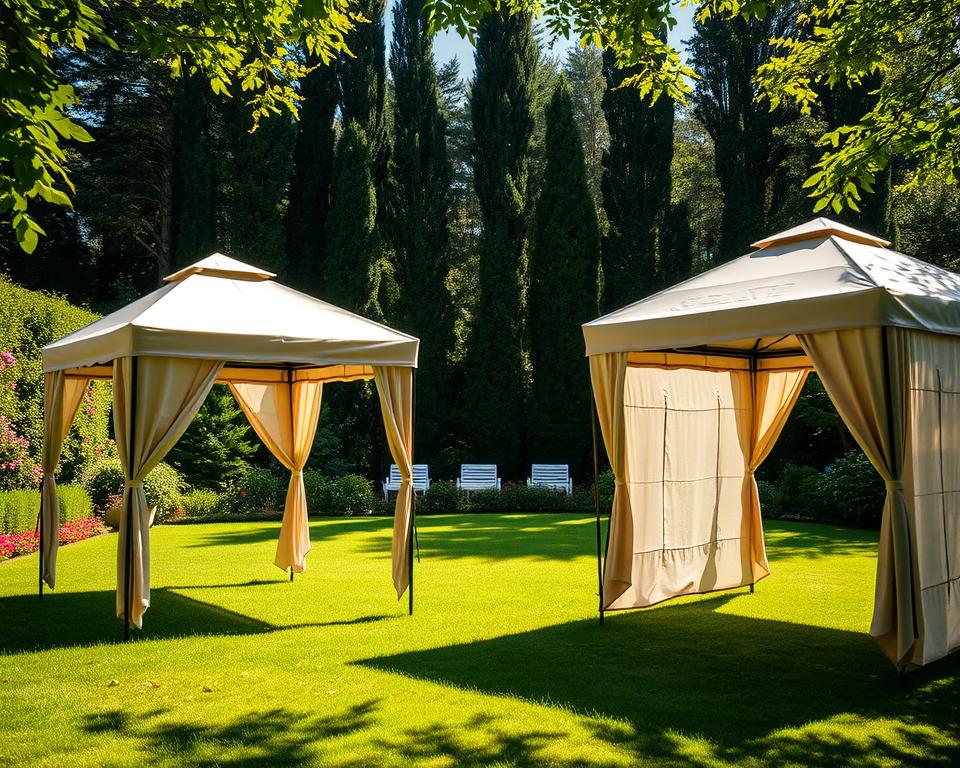
In the UK, temporary gazebos are widely used for various occasions, and their short-term nature typically means they don’t require planning permission. A temporary gazebo is generally defined as one that is erected for less than 28 days.
Several types of temporary gazebos are commonly used, including pop-up models, marquees, and event shelters. These structures are ideal for seasonal or occasional use, differing significantly from permanent gazebos in terms of planning requirements.
- Temporary gazebos are exempt from standard planning rules due to their short-term nature.
- Exceptions may apply in protected areas or for commercial use.
- Best practices include considering neighbours and ensuring safety aspects are addressed.
It’s also important to note that repeatedly erecting and dismantling a gazebo to circumvent the 28-day rule could still be considered a permanent structure by planning authorities. Understanding these nuances is key to complying with planning regulations.
When Do You Need Council Approval for a Gazebo?
The need for council approval for a gazebo depends on several factors, including size, location, and intended use. While many gazebos are considered permitted developments, certain circumstances may require additional permissions.
Size and Location Considerations
The size and location of your gazebo play a significant role in determining whether you need council approval. Larger gazebos or those situated in sensitive areas may require special permission. For instance, gazebos near listed buildings or in conservation areas may be subject to stricter regulations.

Special Circumstances Requiring Permission
Certain special circumstances may necessitate council approval for your gazebo. These include:
- Situating the gazebo in Areas of Outstanding Natural Beauty (AONB) or national parks, where stricter rules apply.
- Using the gazebo for commercial purposes or hosting events.
- Incorporating design features like raised platforms or balconies.
- Proximity to protected trees with Tree Preservation Orders.
- Location within a flood zone, which may impact planning permission.
Understanding these factors is crucial to ensuring your gazebo complies with UK regulations.
The Planning Permission Application Process
Navigating the planning permission application process for your gazebo can seem daunting, but with the right guidance, it can be straightforward.
How to Apply
To apply for planning permission, you must submit an application to your local planning authority, including detailed design plans and relevant documentation.
Tips for Success
To increase your chances of approval, ensure your application is thorough and compliant with local regulations. Consider consulting professionals for advice on design and documentation.

Engaging with neighbours and planning officers before submission can also help address potential objections early, improving your chances of a successful application.
Building Regulations vs. Planning Permission
When constructing a garden structure like a gazebo, it’s essential to understand the difference between building regulations and planning permission. While planning permission focuses on the aesthetic and environmental impact of a structure, building regulations ensure that the construction meets safety and quality standards.
Understanding Building Control Requirements
Building control approval is necessary for most construction projects, including significant renovations and new buildings. This approval ensures that the structure complies with safety and quality standards.
When Building Regulations Apply to Gazebos
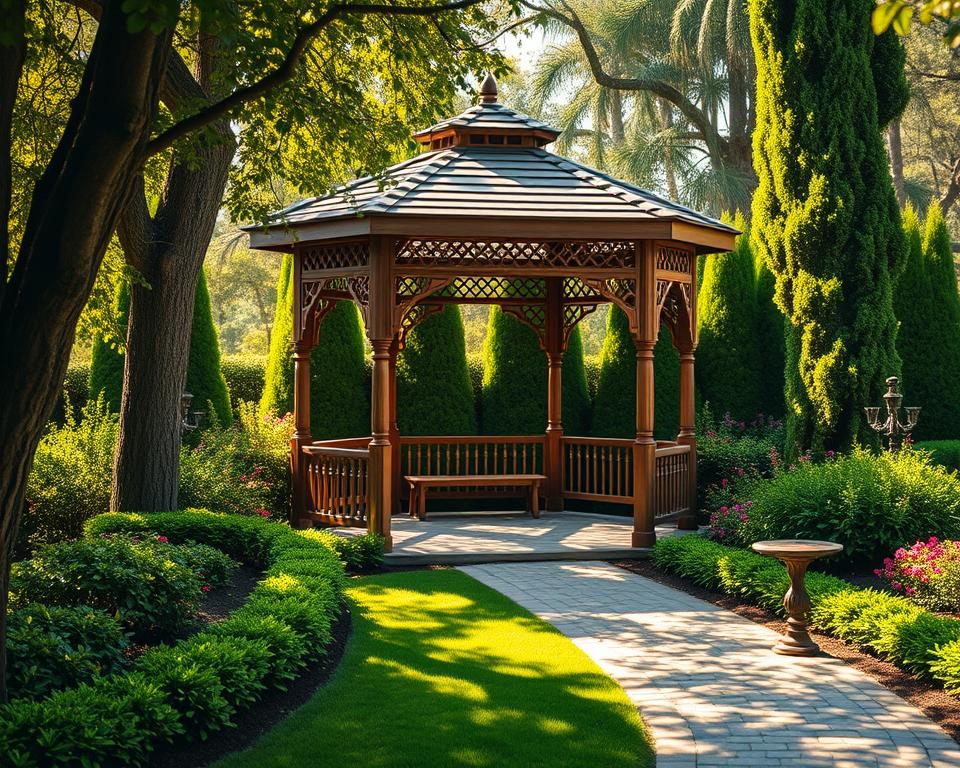
Gazebos may require building regulations approval, particularly if they are large or have complex installations like electrical or plumbing systems. The intended use of the gazebo also affects whether building regulations apply. For instance, a gazebo used as a home office or storage space may require additional compliance measures.
Conclusion: Ensuring Your Gazebo Complies with UK Regulations
Ensuring your gazebo complies with UK planning regulations is vital to avoid potential legal issues. Understanding the planning permission requirements for a garden gazebo in the UK is essential to ensure your project complies with local regulations.
By following permitted development rights and seeking approval when necessary, you can avoid legal issues and create a functional and aesthetically pleasing outdoor space. Always consult with your local planning authority to confirm specific requirements and enjoy the peace of mind that comes with a legally compliant gazebo.
FAQ
What is the difference between planning permission and building regulations for gazebos?
Planning permission relates to the external appearance and location of a structure, while building regulations govern the construction and safety standards. Gazebos may require planning permission based on their size and location, whereas building regulations apply to ensure the structure is safe and meets certain standards.
How tall can a gazebo be without needing planning permission?
Generally, a gazebo is exempt from planning permission if it is less than 2.5 metres in height and not within 2 metres of a boundary. However, the total height should not exceed 4 metres if it has a dual-pitched roof or 3 metres for other roof types.
Are there any specific rules for gazebos in conservation areas or Areas of Outstanding Natural Beauty?
Yes, gazebos in conservation areas or Areas of Outstanding Natural Beauty are subject to stricter regulations. In these areas, more stringent rules apply regarding the design, size, and materials used for the gazebo, and it is advisable to check with the local planning authority before installation.
Can I install a gazebo near a listed building?
Installing a gazebo near a listed building often requires special consideration and may necessitate planning permission. The proximity to a listed building can impact the decision, and it is recommended to consult with the local planning authority to determine the specific requirements.
What is the process for obtaining planning permission for a gazebo?
To obtain planning permission, submit an application to the local planning authority, including detailed plans and specifications of the proposed gazebo. The authority will assess the application based on factors such as size, location, and design, and may request additional information or modifications.
Are temporary gazebos subject to the same planning regulations as permanent structures?
Temporary gazebos are generally exempt from planning permission if they are installed for a limited period, typically less than 28 days in a calendar year. However, it is essential to verify this with the local planning authority, as specific circumstances may affect the decision.