Guide to painting a wooden garden building or a log cabin
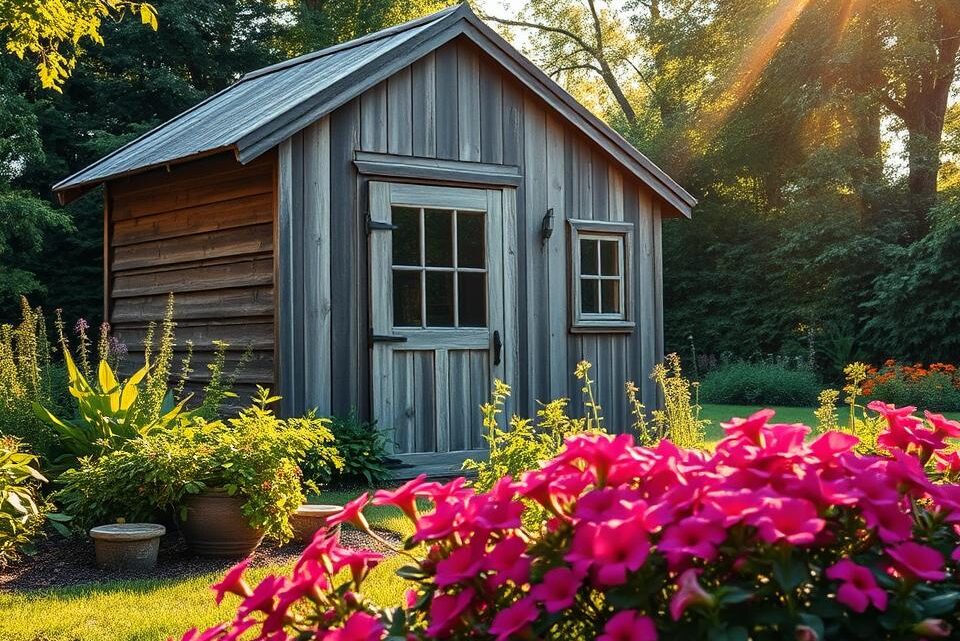
Painting a wooden garden building or log cabin is more than just a cosmetic upgrade. This essential maintenance task protects your outdoor structure from harsh weather conditions, prevents wood decay, and enhances its overall appearance.
Wooden garden building painting requires careful preparation and the right techniques. Whether you have a rustic log cabin in the countryside or a modern garden shed, a professional paint job can significantly extend its lifespan and visual appeal.
A comprehensive log cabin painting guide helps homeowners transform their outdoor spaces while safeguarding their investment. With proper care and application, you can create a stunning and durable finish that withstands British weather challenges.
Inhaltsverzeichnis
Key Takeaways
- Protect wooden structures from environmental damage
- Enhance aesthetic appeal of garden buildings
- Increase longevity of wooden structures
- Prevent wood rot and moisture penetration
- Improve overall property value
Essential Tools and Materials for Painting Wooden Structures
Preparing to paint a wooden garden building or log cabin requires careful selection of painting tools for wood and the right materials. The success of your outdoor painting project depends on choosing quality equipment and understanding the specific needs of wooden surfaces.
Professional painters know that the right tools make all the difference. Your arsenal of painting tools for wood should include several key items to ensure a smooth, long-lasting finish.
Quality Brushes and Rollers for Different Surfaces
Selecting the appropriate brushes and rollers is crucial for achieving a professional-looking paint job. Consider these recommendations:
- Natural bristle brushes for oil-based outdoor wood paint
- Synthetic bristle brushes for water-based paints
- Foam rollers for smooth, even application on large surfaces
- Angled brushes for detailed work and edges
Types of Outdoor Wood Paint
Choosing the right outdoor wood paint is essential for protecting your wooden structure from weather elements. The two primary options include:
- Oil-based paints: Excellent durability and rich colour penetration
- Water-based paints: Faster drying and easier clean-up
Safety Equipment for Painting
Protecting yourself is as important as protecting your wooden structure. Essential safety equipment for painting includes:
- Protective goggles to shield eyes from paint splashes
- Respirator masks to prevent inhalation of paint fumes
- Disposable gloves to protect skin
- Protective overalls or old clothing
“Proper preparation and safety are the foundations of a successful painting project.” – Professional Painter’s Handbook
Investing in high-quality painting tools for wood and safety equipment will ensure a successful and enjoyable outdoor painting experience.
Preparing Your Wooden Building for Painting
Wood preparation for painting is a critical step in achieving a professional and long-lasting finish for your wooden garden building or log cabin. Proper cleaning and inspection of wooden structures can prevent future damage and ensure a smooth painting process.
Before starting your painting project, carefully inspect the entire wooden surface for signs of wear, damage, or potential issues. Look for:
- Loose or peeling paint
- Wood rot or decay
- Cracks or splits in the wooden surface
- Mould or mildew growth
Cleaning wooden structures requires a systematic approach. Begin by removing any dirt, debris, or loose paint using a stiff-bristled brush or power washer. For stubborn areas, consider using a specialised wood cleaner that removes grime without damaging the surface.
Repair any damaged areas before painting. Fill small cracks with wood filler, and replace severely damaged sections of wood. Sanding the entire surface creates a smooth base for paint application, ensuring better adhesion and a more professional finish.
Pro tip: Always allow the wooden surface to dry completely after cleaning and repairs before applying any paint.
Key steps in wood preparation for painting include:
- Thorough surface inspection
- Comprehensive cleaning
- Repairing damaged areas
- Sanding the entire surface
- Ensuring complete dryness
Taking time to prepare your wooden structure properly will result in a more durable and attractive paint job that protects your garden building for years to come.
Weather Conditions and Timing for Optimal Painting Results
Selecting the best time to paint outdoors is crucial for achieving a professional finish on your wooden garden building or log cabin. Weather conditions for painting can significantly impact the quality and durability of your paint job.
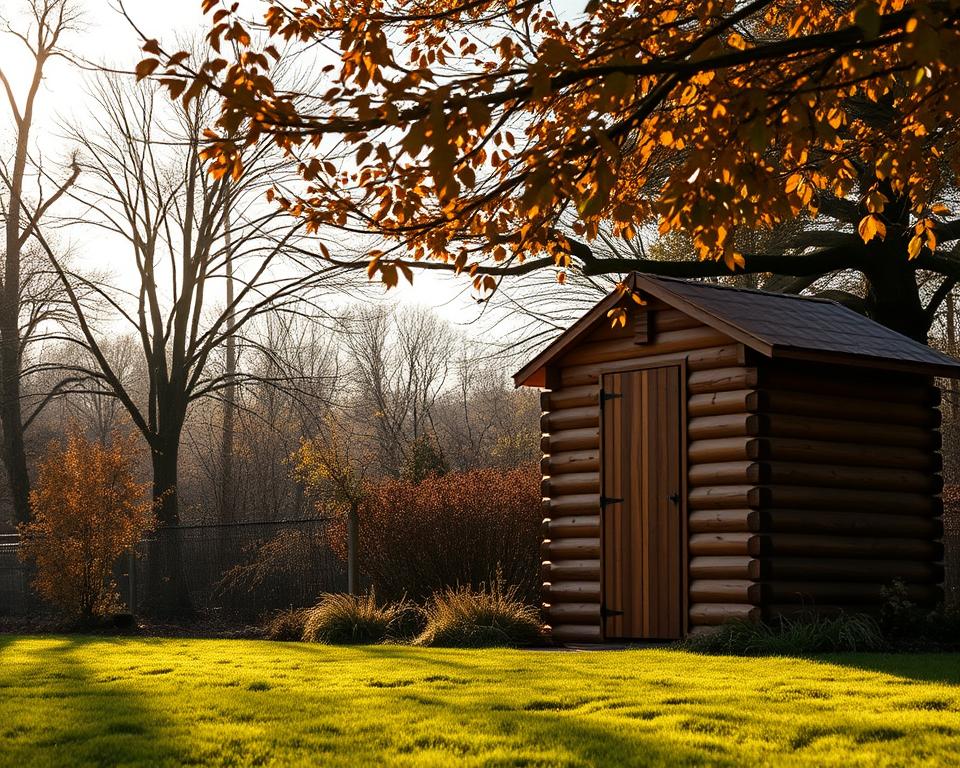
Understanding the right atmospheric conditions will help you plan your painting project effectively. The UK’s unpredictable climate requires careful consideration when choosing the optimal painting window.
Ideal Seasons for Exterior Painting
The best time to paint outdoors in the United Kingdom typically falls between late spring and early autumn. Specific timing depends on several key factors:
- Late May to early September offers the most stable weather conditions
- Aim for days with moderate temperatures between 10-25°C
- Avoid painting during wet or extremely humid periods
Temperature and Humidity Considerations
Precise weather conditions for painting can make or break your project. Here’s a helpful guide to optimal painting conditions:
| Temperature Range | Humidity Level | Painting Suitability |
|---|---|---|
| 10-15°C | 40-70% | Excellent conditions |
| 15-25°C | 50-65% | Perfect painting weather |
| Below 10°C or above 25°C | Outside 40-70% | Not recommended |
Planning Your Painting Schedule
Strategic planning is key to successful outdoor painting. Consider these practical tips:
- Check extended weather forecasts before starting
- Plan to paint during mid-morning to early afternoon
- Ensure at least 24 hours of dry weather after painting
*”Patience in timing can transform an average paint job into an exceptional one.”*
By carefully selecting the right weather conditions for painting, you’ll ensure a professional, long-lasting finish that protects and beautifies your wooden structure.
Step-by-Step Guide to Painting a Wooden Garden Building or a Log Cabin
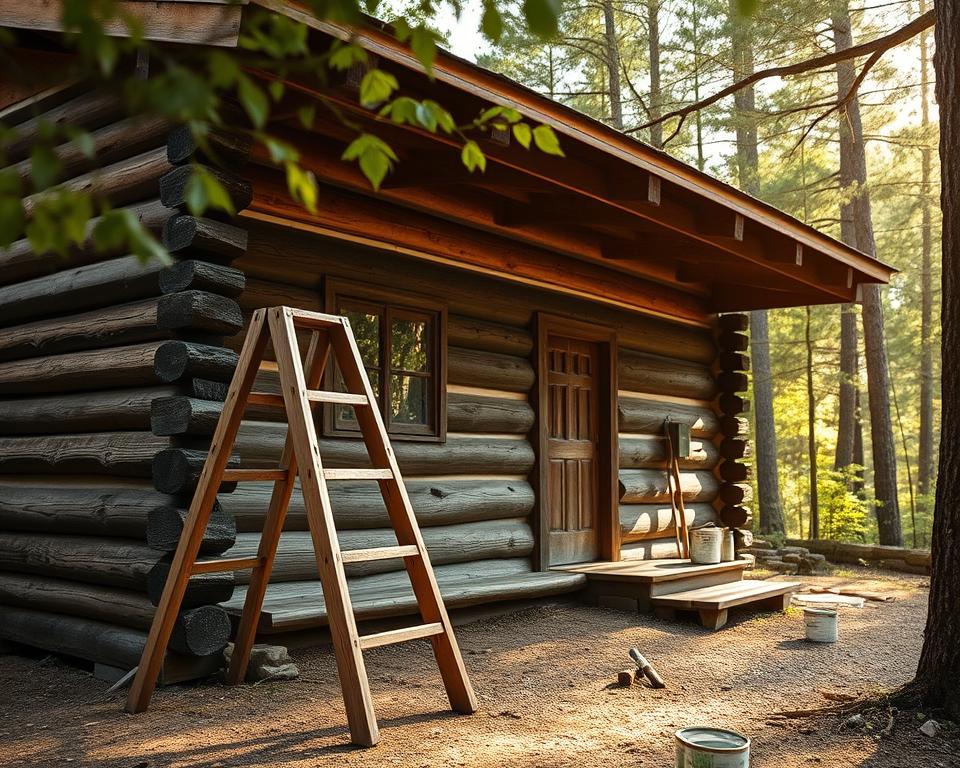
Painting a wooden garden building or log cabin requires careful planning and execution. The wooden building painting steps can seem challenging, but with the right approach, you’ll achieve a professional finish that protects and beautifies your structure.
Begin your log cabin painting process by gathering all necessary materials and preparing your workspace. You’ll want to ensure you have everything ready before starting to minimise interruptions and maintain a smooth workflow.
- Clean the wooden surface thoroughly
- Repair any damaged areas
- Sand the entire surface
- Apply primer
- Choose your paint colour
- Paint in consistent strokes
- Allow proper drying time
When painting, work systematically from top to bottom. Use long, even strokes to ensure uniform coverage and avoid visible brush marks. Pay special attention to edges, corners, and hard-to-reach areas where paint can easily be missed.
| Painting Stage | Recommended Tools | Time Required |
|---|---|---|
| Surface Preparation | Sandpaper, cleaning cloths | 2-3 hours |
| Priming | Primer, roller, brush | 1-2 hours |
| Painting | Exterior paint, brushes, rollers | 3-4 hours |
Remember that patience is key in the wooden building painting steps. Take your time, work carefully, and enjoy transforming your log cabin or garden building with a fresh coat of paint.
Surface Preparation Techniques and Cleaning Methods
Preparing your wooden garden building or log cabin for painting requires careful attention to detail. The success of your painting project depends entirely on thorough surface preparation, which involves several critical steps to ensure a professional and long-lasting finish.
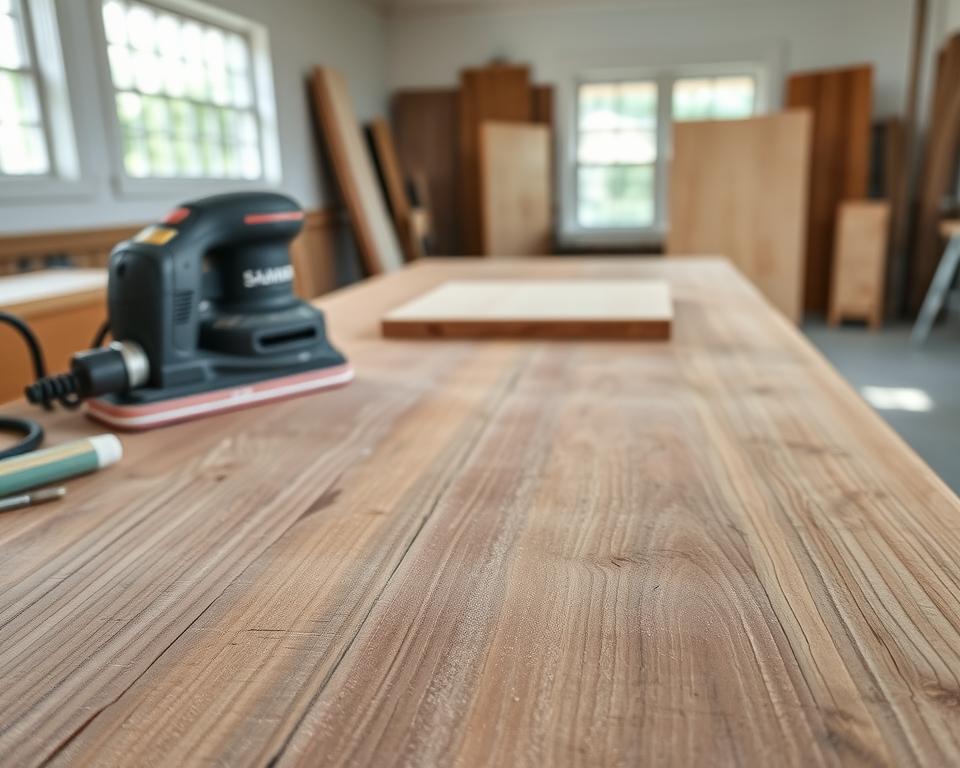
Removing Old Paint and Varnish
Removing old paint from wood is a crucial initial step in surface preparation. Professional painters recommend several effective techniques:
- Chemical paint strippers for efficient removal
- Heat gun method for stubborn layers
- Manual scraping with specialised tools
- Pressure washing for exterior surfaces
Treating Wood Mould and Mildew
Wood mould can compromise your painting project. Identifying and treating mould before painting prevents future damage and ensures paint adhesion:
- Inspect the wooden surface thoroughly
- Use specialised mould-killing solutions
- Clean with bleach-based treatments
- Allow complete drying before painting
Wood Sanding Techniques
Sanding is essential for creating a smooth surface that allows paint to adhere properly. Different wood sanding techniques include:
- Coarse-grit sandpaper for initial rough surfaces
- Medium-grit for smoothing
- Fine-grit for final preparation
- Electric sanders for larger areas
Professional painters understand that patience during surface preparation guarantees an exceptional painting result. Take time to clean, treat, and smooth your wooden surface for the best possible finish.
Priming Your Wooden Structure Effectively
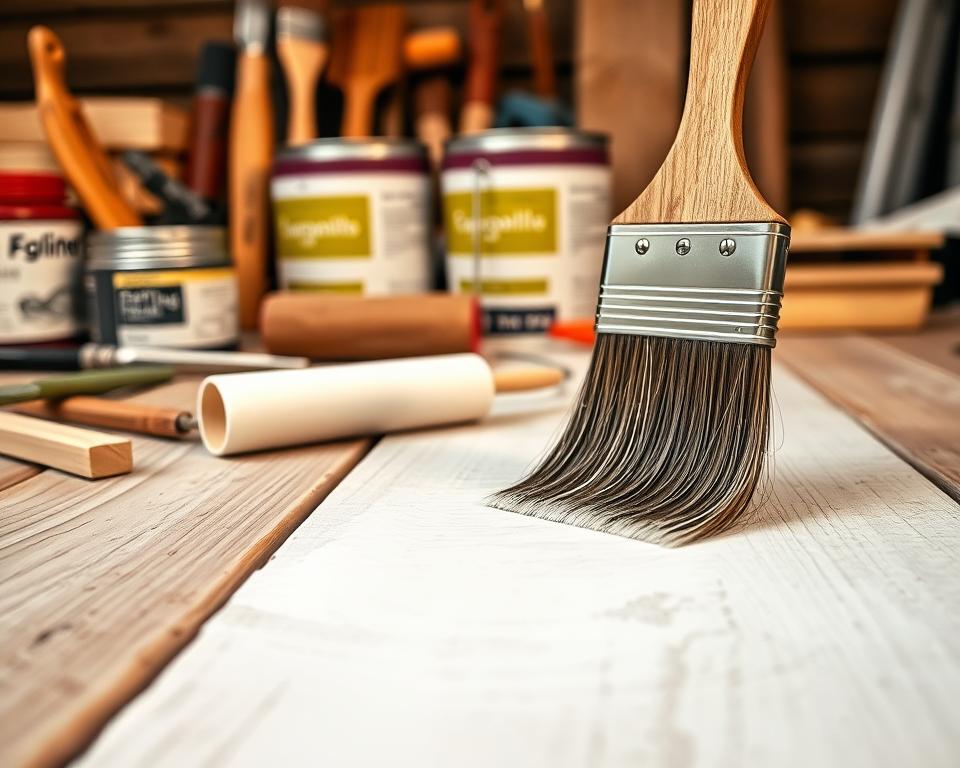
Priming is a critical step in protecting and preparing outdoor wooden structures for painting. Wood priming techniques play a vital role in ensuring long-lasting paint protection and durability. Professional painters understand that the right primer creates a solid foundation for the final paint coat.
Selecting the best primer for outdoor wood depends on several key factors:
- Surface condition of the wooden structure
- Type of wood material
- Existing paint or finish
- Environmental exposure
Different primers offer unique benefits for exterior wooden surfaces. Oil-based primers provide excellent wood sealing and prevent moisture penetration. Water-based primers offer quick drying times and easier clean-up.
“A quality primer is like a protective shield for your wooden structure.” – Professional Painting Experts
Essential wood priming techniques include:
- Thoroughly clean the wooden surface
- Sand rough areas for smooth application
- Choose a primer compatible with your wood type
- Apply primer evenly using quality brushes or rollers
- Allow adequate drying time between coats
| Primer Type | Best Used For | Drying Time |
|---|---|---|
| Oil-Based Primer | Bare wood, previously painted surfaces | 24 hours |
| Water-Based Primer | Softwoods, previously sealed surfaces | 2-4 hours |
| Latex Primer | Exterior wooden structures | 1-2 hours |
Pro tip: Always check manufacturer recommendations for specific wood priming techniques and primer application guidelines.
Applying Paint: Techniques and Best Practices
Painting a wooden garden building requires skill and patience. Mastering wood painting techniques can transform your outdoor structure from ordinary to extraordinary. The right approach ensures a professional finish that protects and beautifies your wooden surface.
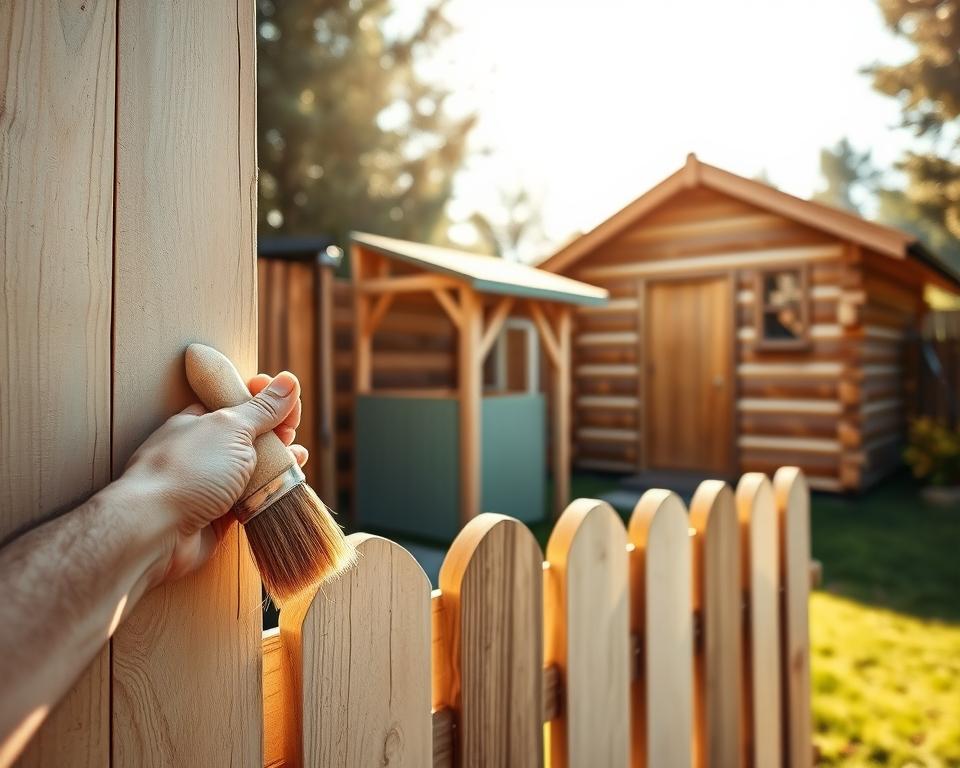
Professional painters understand that achieving even paint coverage is crucial for a stunning result. Different tools and methods can help you create a smooth, uniform finish that enhances the natural beauty of wood.
Brush and Roller Techniques
- Choose high-quality brushes with natural bristles for oil-based paints
- Select synthetic brushes for water-based paints
- Use wide brushes for large, flat surfaces
- Pick angled brushes for precise edges and corners
Achieving Perfect Paint Coverage
To ensure even paint coverage, follow these professional tips:
- Stir paint thoroughly before application
- Apply thin, consistent coats
- Use long, smooth strokes in one direction
- Allow adequate drying time between coats
Navigating Challenging Painting Areas
Painting difficult areas and corners requires special attention. Use smaller brushes and take your time to reach tight spaces. Angled brushes can help you navigate intricate details with precision.
“Patience and technique are the secrets to a flawless paint job.” – Professional Decorator
| Painting Tool | Best Use | Technique Tips |
|---|---|---|
| Flat Brush | Large surfaces | Use long, overlapping strokes |
| Angled Brush | Edges and corners | Maintain steady hand, use light pressure |
| Roller | Wide, smooth areas | Roll in ‘W’ pattern for even coverage |
With practice and attention to detail, you’ll master the art of painting wooden structures, creating a beautiful and long-lasting finish.
Protecting and Maintaining Your Painted Wooden Building
Protecting outdoor wooden structures requires consistent care and attention. After investing time and effort in painting your wooden garden building, maintaining the painted wood becomes crucial for long-lasting durability and aesthetic appeal.
Regular maintenance helps preserve the appearance and structural integrity of your wooden building. Here are key strategies for protecting outdoor wooden structures:
- Conduct quarterly visual inspections for signs of wear or damage
- Clean the surface gently with soft brushes and mild detergent
- Remove debris and vegetation near the structure
- Check for moisture accumulation or potential rot spots
Seasonal maintenance plays a significant role in preserving your painted wooden structure. During autumn and winter, pay extra attention to potential moisture-related issues. Use waterproof sealants to prevent water penetration and protect the wood from harsh weather conditions.
Touch-up painting should be performed whenever you notice:
- Small chips or scratches in the paint
- Areas with fading colour
- Minor surface imperfections
- Signs of early paint deterioration
By dedicating a few hours each season to maintaining painted wood, you’ll significantly extend the life of your outdoor wooden building and keep it looking professionally finished.
Common Mistakes to Avoid When Painting Wooden Structures
Painting wooden garden buildings and log cabins requires careful attention to detail. Wood painting mistakes can quickly compromise the appearance and durability of your outdoor structure. Understanding common errors in outdoor painting helps homeowners achieve professional-looking results.
Professionals recognise several critical wood painting mistakes that amateur painters frequently make:
- Skipping surface preparation
- Choosing inappropriate paint types
- Painting in unsuitable weather conditions
- Applying paint too thickly
- Neglecting primer application
Surface preparation stands as the most crucial step in preventing wood painting mistakes. Failing to clean, sand, and repair wooden surfaces can lead to poor paint adhesion and premature deterioration. Dirt, mildew, or existing damaged paint layers will prevent new paint from bonding correctly.
Weather conditions play a significant role in successful outdoor painting. Attempting to paint during high humidity, extreme temperatures, or imminent rain creates substantial challenges. Professional painters recommend checking weather forecasts and selecting optimal painting conditions to ensure long-lasting results.
Paint selection represents another critical aspect of avoiding common errors in outdoor painting. Exterior wooden structures require specialised paint formulations that withstand UV radiation, moisture, and temperature fluctuations. Water-resistant, exterior-grade paints with additional protective properties offer the best protection for garden buildings and log cabins.
Proper preparation and technique are the keys to a flawless wooden structure paint job.
By understanding and avoiding these typical wood painting mistakes, homeowners can protect their outdoor wooden structures and achieve a professional, long-lasting finish.
Conclusion
Painting a wooden garden building or log cabin is more than just an aesthetic upgrade—it’s a critical maintenance strategy. By applying the wooden building painting tips shared in this guide, you can transform your outdoor structure while protecting it from harsh weather conditions and potential decay.
The key to successful log cabin maintenance lies in meticulous preparation, selecting quality materials, and following precise painting techniques. Each step, from initial surface cleaning to final paint application, plays a crucial role in achieving a professional-looking finish that will withstand years of environmental challenges.
Your DIY painting project is an investment in both the appearance and longevity of your wooden structure. With the knowledge gained from this comprehensive guide, you’re now equipped to tackle the painting process confidently. Remember that patience, attention to detail, and proper technique are your best tools in creating a beautiful, well-protected wooden building that will enhance your outdoor space for years to come.
Embrace the satisfaction of completing this rewarding project, knowing you’ve not only improved your property’s visual appeal but also significantly extended the life of your cherished wooden structure.
FAQ
How long does paint typically last on a wooden garden building?
With proper preparation and application, exterior paint can last between 5-10 years on a wooden garden building. The actual duration depends on factors like weather exposure, paint quality, and maintenance.
What’s the best type of paint for outdoor wooden structures in the UK?
For UK weather conditions, exterior wood paint with UV and moisture resistance is recommended. Acrylic and water-resistant exterior paints from brands like Dulux Weathershield or Cuprinol are excellent choices for protecting wooden garden buildings.
How do I know if my wooden structure needs repainting?
Look for signs of paint deterioration such as peeling, cracking, fading, or exposed wood. If the paint looks worn or the wood seems vulnerable to moisture, it’s time to repaint your garden building.
Can I paint my wooden structure during winter?
It’s not recommended. Ideal painting temperatures range between 10-25°C with low humidity. British winters are typically too cold and damp for effective painting, which can lead to poor paint adhesion and drying issues.
How many coats of paint will I need?
Most wooden structures require two to three coats of paint for optimal coverage and protection. Always apply a primer first and allow sufficient drying time between each coat for the best results.
What preparation is needed before painting?
Proper preparation includes cleaning the surface, removing old paint, sanding rough areas, repairing any wood damage, and applying a suitable primer. This ensures better paint adhesion and a longer-lasting finish.
How long should I wait between paint coats?
Typically, you should wait 4-6 hours between paint coats, depending on the specific paint product and weather conditions. Always check the manufacturer’s instructions for precise drying times.
What safety equipment do I need for painting?
Essential safety gear includes protective goggles, dust masks, gloves, and clothing that covers your skin. Ensure good ventilation and work in a well-lit area to prevent accidents.
How can I protect my painted wooden structure from moisture?
Use water-resistant exterior paint, apply a good primer, ensure proper surface preparation, and consider adding a additional protective sealant. Regular maintenance and prompt repairs will also help prevent moisture damage.
Can I paint over existing paint?
Yes, but you must thoroughly prepare the surface first. Remove loose paint, sand the area, clean thoroughly, and use a compatible primer to ensure good adhesion of the new paint.