Heating for a Wooden Gardenhouse: Your Best Options
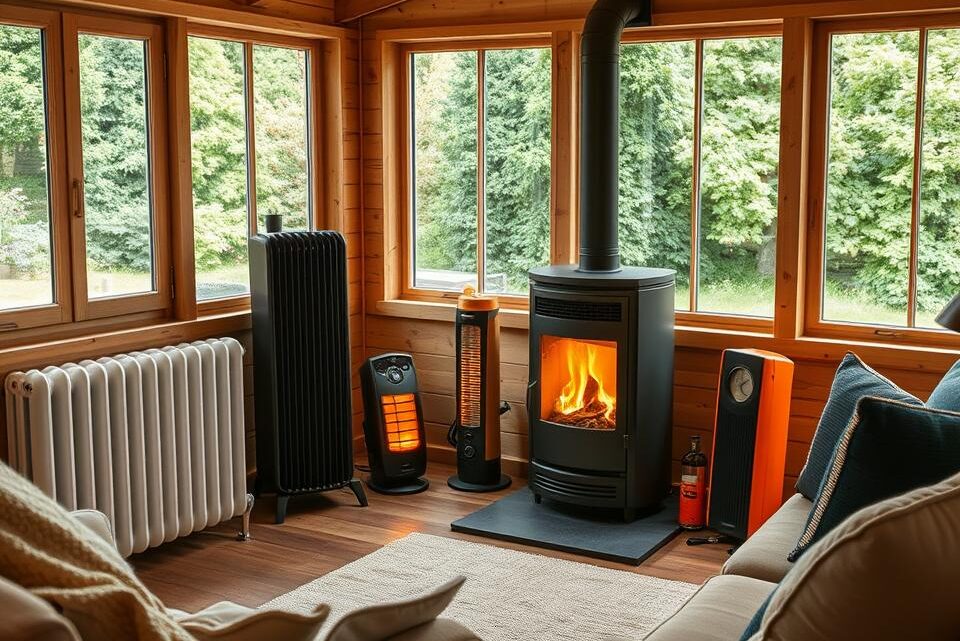
Transforming your wooden gardenhouse into a comfortable sanctuary is more than just a possibility—it’s a gateway to year-round enjoyment. Heating for a wooden gardenhouse opens up a world of potential, allowing you to create a versatile space that defies seasonal limitations.
UK garden building heating solutions have revolutionised the way homeowners use their outdoor structures. Whether you dream of a cosy workspace, a creative retreat, or an entertainment zone, the right heating approach can turn your gardenhouse into a functional extension of your home.
Your wooden gardenhouse represents an investment in personal space and lifestyle. By selecting the perfect heating method, you’ll unlock the ability to enjoy this special area throughout every season, regardless of the British weather’s unpredictability.
Inhaltsverzeichnis
Key Takeaways
- Discover versatile heating options for wooden gardenhouses
- Transform your garden building into a year-round living space
- Explore cost-effective and efficient heating solutions
- Understand the importance of proper insulation
- Learn how to maximise your gardenhouse’s potential
Why Your Wooden Gardenhouse Deserves Proper Heating
A wooden gardenhouse represents more than just an extra structure in your garden. It’s a potential sanctuary of creativity, productivity, and relaxation that can transform your lifestyle when equipped with the right winter gardenhouse heating solutions.
Extending Your Living Space Throughout the Year
Imagine turning your garden room into a vibrant space that serves you 365 days annually. With effective garden room heating solutions, you can:
- Create a cosy home office with consistent warmth
- Design a year-round fitness studio
- Establish a creative workshop immune to seasonal constraints
- Develop a comfortable guest accommodation
“Your gardenhouse isn’t just a seasonal retreat—it’s an extension of your living space.” – Garden Design Magazine
Protecting Your Investment from Cold and Damp
Proper heating isn’t merely about comfort—it’s crucial for damp prevention in gardenhouses. Consistent temperatures safeguard your wooden structure from potentially devastating moisture-related damage.
Strategic heating helps prevent:
- Condensation build-up
- Mould growth
- Wood warping
- Structural deterioration
By implementing thoughtful heating strategies, you’re not just creating a comfortable space—you’re protecting a valuable investment that enhances your property’s functionality and worth.
Understanding the Unique Heating Challenges of Wooden Structures
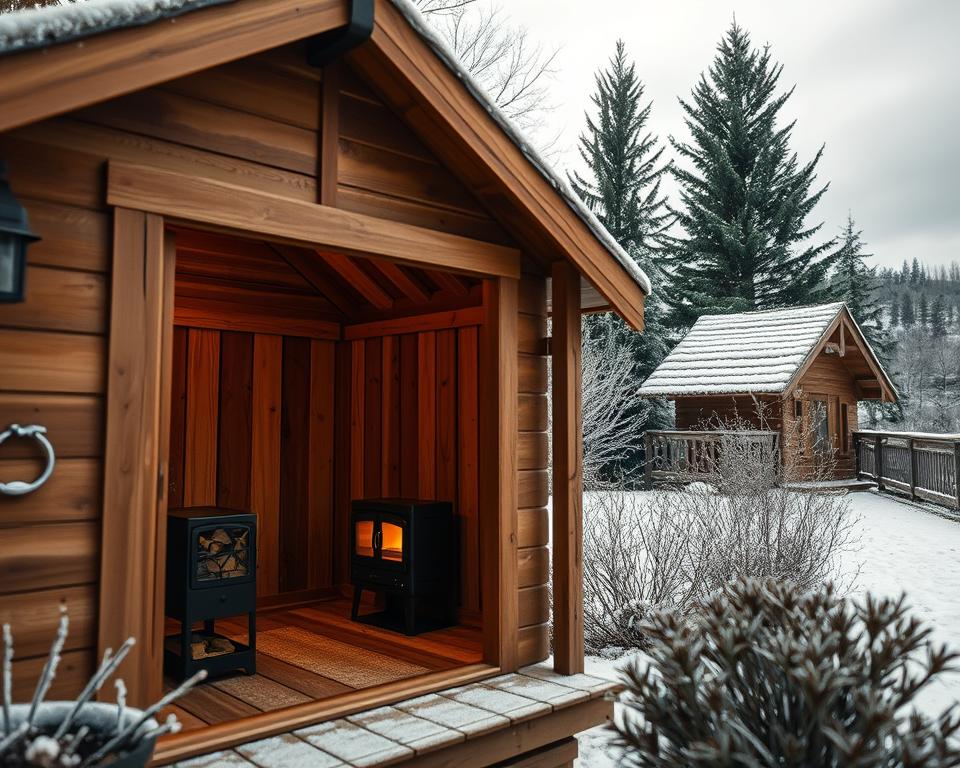
Your wooden gardenhouse presents unique heating challenges that differ from traditional brick structures. Understanding these nuances is crucial for effective wooden gardenhouse heating and creating a comfortable outdoor room heating solution.
Wood is a dynamic material that responds differently to temperature changes. Its natural properties mean that insulation and heat retention require special attention. Your gardenhouse’s thermal performance depends on several key factors:
- Wall thickness and construction quality
- Roof insulation levels
- Window and door sealing
- Overall structural integrity
The relatively smaller space of a wooden gardenhouse can actually work to your advantage. Compact areas heat up more quickly and require less energy to maintain comfortable temperatures. This characteristic makes gardenhouse insulation particularly important for maintaining warmth efficiently.
Consider these critical aspects of wooden structure heating:
| Factor | Impact on Heating | Recommended Action |
|---|---|---|
| Timber Density | Affects heat absorption and retention | Choose appropriate insulation materials |
| Moisture Resistance | Prevents heat loss through dampness | Implement proper sealing techniques |
| Thermal Mass | Determines heat distribution | Select heating systems matching structure |
By recognising these unique characteristics, you’ll be better equipped to select the most suitable heating solution for your wooden gardenhouse, ensuring comfort and energy efficiency throughout the year.
Electric Heaters: Convenient Warmth at Your Fingertips
When it comes to heating your wooden gardenhouse, electric heaters offer unparalleled convenience and flexibility. These portable heaters provide an easy solution for creating a comfortable space without complex installation requirements. Your gardenhouse can transform into a cosy retreat with the right electric heating approach.
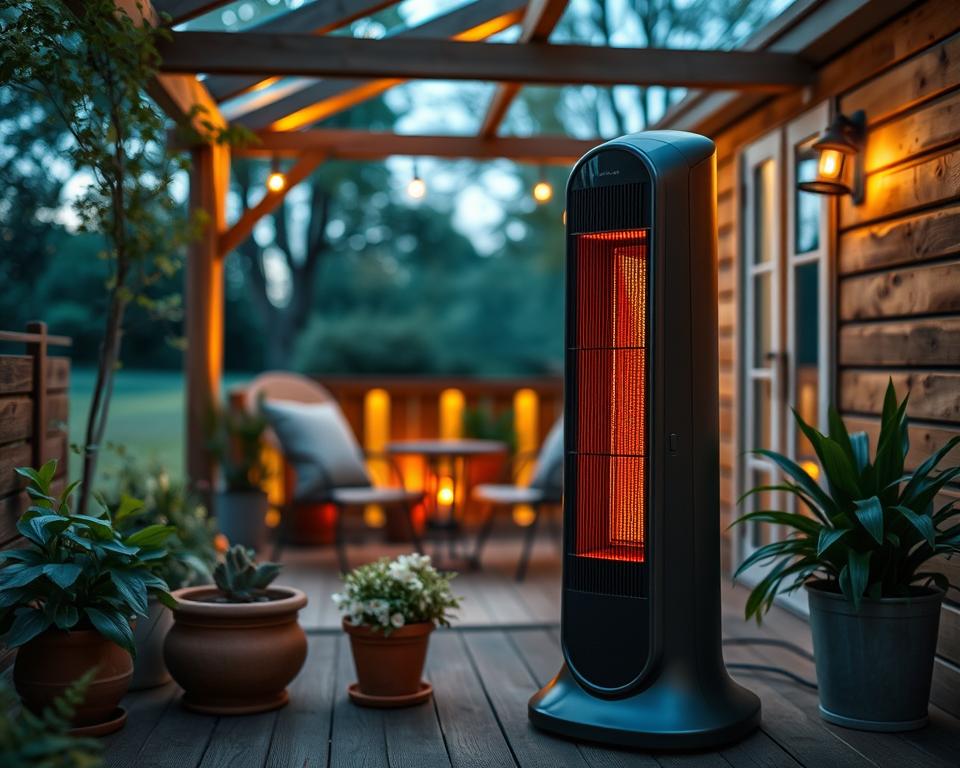
Electric heating solutions have revolutionised how we warm our additional living spaces. They bring several key advantages for gardenhouse owners:
- Instant heat at the touch of a button
- No fuel storage or complex pipework
- Minimal maintenance requirements
- Energy efficient heating options
Panel Heaters: Precision Temperature Control
Panel heaters represent an excellent choice for electric heaters in gardenhouses. These slim, wall-mounted units deliver consistent warmth with remarkable efficiency. Their compact design ensures you won’t sacrifice valuable floor space while maintaining optimal temperature control.
Key benefits of panel heaters include:
- Precise digital thermostat settings
- Silent operation
- Even heat distribution
- Low energy consumption
Oil-Filled Radiators: Sustainable Warmth
For those seeking energy efficient heating, oil-filled radiators stand out as portable heaters with exceptional thermal performance. These intelligent devices continue radiating heat even after switching off, making them an economical choice for your gardenhouse.
Their unique design allows gradual, consistent warmth that keeps your space comfortable without constant electricity draw. Portable and adaptable, these radiators can move wherever you need targeted heating.
Wood-Burning Stoves: Traditional Charm Meets Modern Efficiency
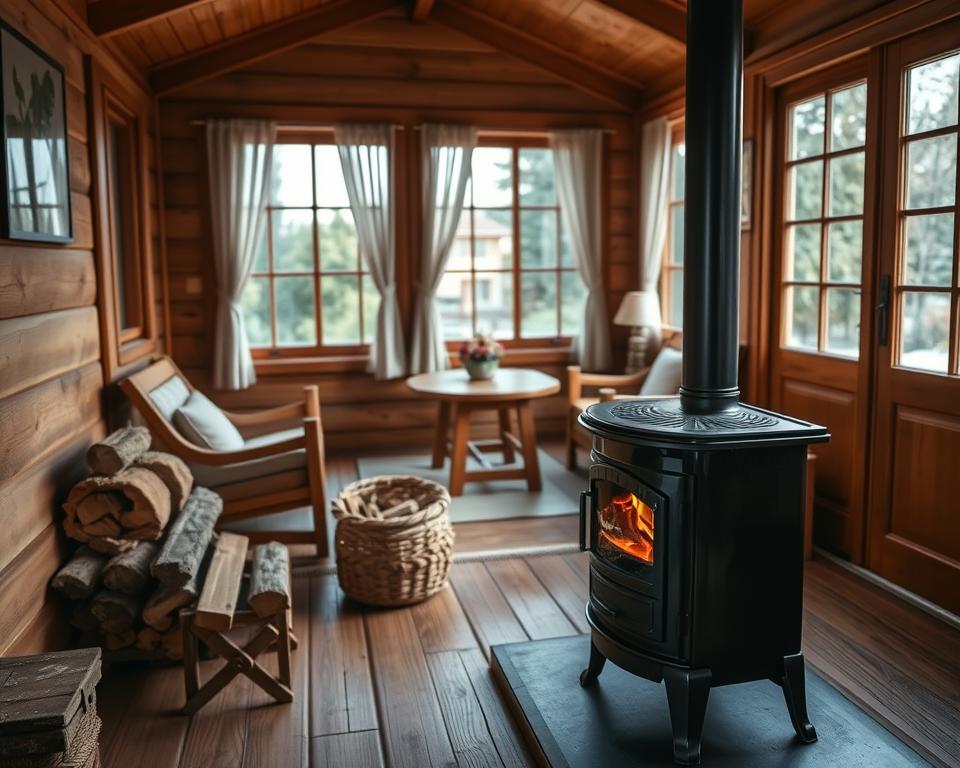
Transform your wooden gardenhouse into a warm, inviting sanctuary with the timeless appeal of a wood-burning stove. These traditional heating solutions offer more than just warmth—they create an atmosphere of comfort and rustic elegance that modern heating methods can’t replicate.
Wood burning stoves for gardenhouses have evolved dramatically, combining classic charm with cutting-edge technology. You’ll discover a heating solution that not only warms your space but also becomes a stunning focal point of your retreat.
- Delivers cost-effective heating solutions with up to 80% heat efficiency
- Provides authentic traditional gardenhouse heating experience
- Creates a cosy ambiance with mesmerising flame patterns
Modern wood-burning stoves are designed specifically for compact spaces like gardenhouses. They require minimal maintenance while offering significant advantages. Your investment brings multiple benefits: reduced energy costs, sustainable heating, and a connection to traditional warmth that electric alternatives simply cannot match.
A wood-burning stove transforms your gardenhouse from a simple structure into a year-round sanctuary of comfort and style.
Consider the practical aspects carefully. You’ll need proper installation, including appropriate flue systems and safety clearances. Access to affordable firewood can make these stoves exceptionally economical for your wooden gardenhouse heating needs.
Embrace the romance of traditional heating while enjoying modern efficiency—your gardenhouse deserves nothing less.
Infrared Heating: The Revolutionary Way to Warm Your Space
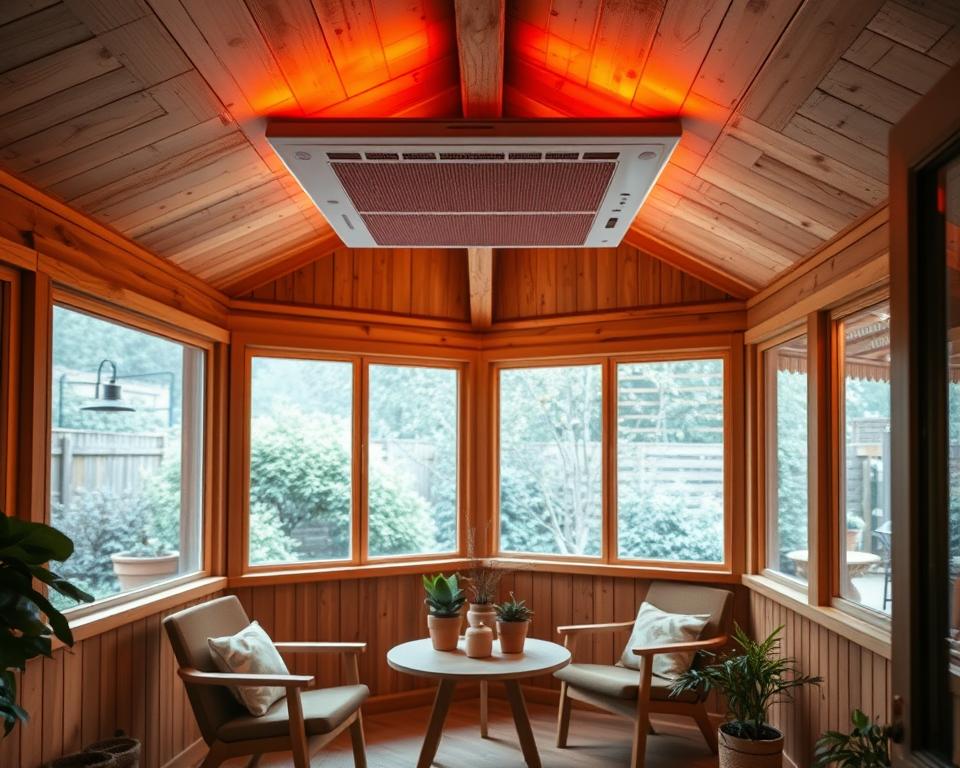
Discover a groundbreaking approach to warming your wooden gardenhouse with infrared heating technology. This modern heating solution transforms how you experience comfort, offering an innovative alternative to traditional heating methods.
How Infrared Technology Transforms Gardenhouse Heating
Infrared heating represents a quantum leap in energy efficient heating for your gardenhouse. Unlike conventional heaters that warm the air, infrared panels emit electromagnetic waves that directly heat objects and people. This unique approach provides several remarkable benefits:
- Instant, even warmth distribution
- Reduced energy consumption
- Minimal heat loss
- Silent operation
The technology works similarly to natural sunlight, creating a gentle, radiant warmth that penetrates your wooden gardenhouse without creating drafts or circulating dust.
Cost-Effectiveness and Energy Savings
When it comes to running costs, infrared heating stands out as a smart investment. These modern heating solutions can reduce energy consumption by up to 50% compared to traditional electric heaters. Your gardenhouse becomes an efficiently heated space without breaking the bank.
By targeting heat directly to surfaces and occupants, infrared panels eliminate wasted energy, making them an ideal choice for anyone seeking an intelligent, cost-effective heating strategy.
Gas Heaters: Powerful Performance for Larger Spaces
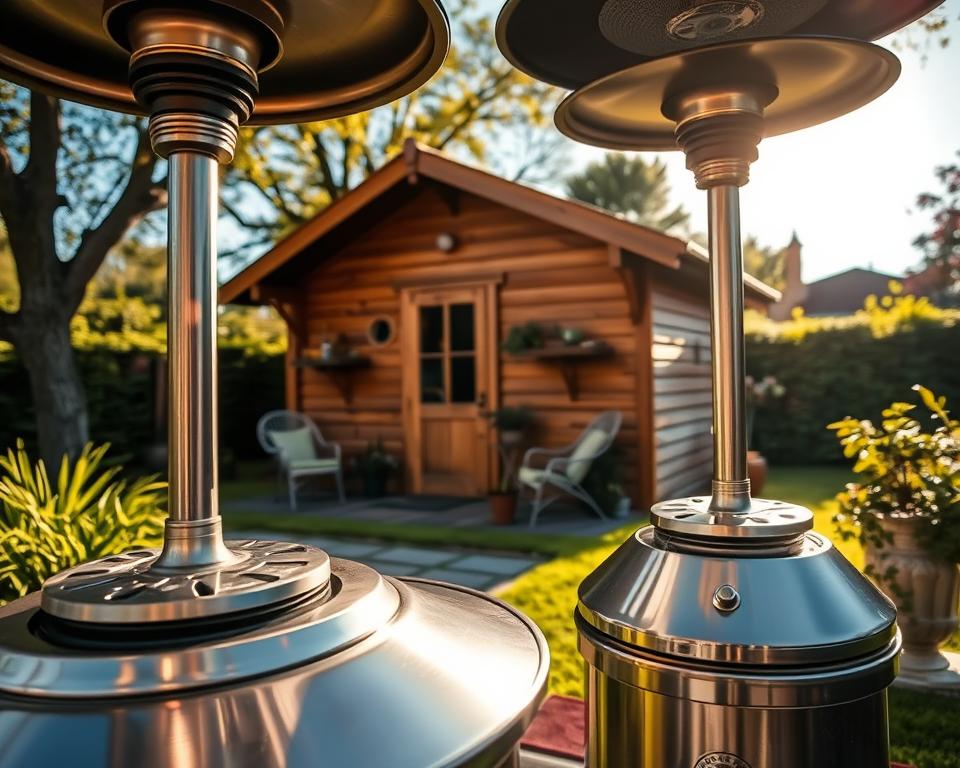
When it comes to powerful gardenhouse heating, gas heaters stand out as a remarkable solution for large space heating. Your wooden gardenhouse can transform into a cosy retreat with the right gas heating approach.
Gas heaters offer exceptional benefits for garden buildings, particularly those requiring robust warmth. They provide instant heat and remarkable temperature control, making them ideal for spacious garden structures.
- Portable cabinet heaters for flexible positioning
- Wall-mounted flueless options for compact spaces
- Flued gas heaters with external ventilation
Selecting the right gas heaters for garden buildings involves careful consideration. You’ll want to evaluate:
- Space dimensions
- Ventilation requirements
- Safety regulations
- Installation complexity
Safety remains paramount with gas heating solutions. Ensure proper carbon monoxide detection, maintain adequate ventilation, and schedule annual professional servicing to guarantee optimal performance and security.
Your gardenhouse heating strategy should balance power, efficiency, and safety.
For intensive use during colder months, gas heaters provide an unparalleled heating experience. Their rapid warm-up times and consistent heat output make them a top choice for garden enthusiasts seeking powerful gardenhouse heating.
Heating for a Wooden Gardenhouse: Comparing Running Costs and Efficiency
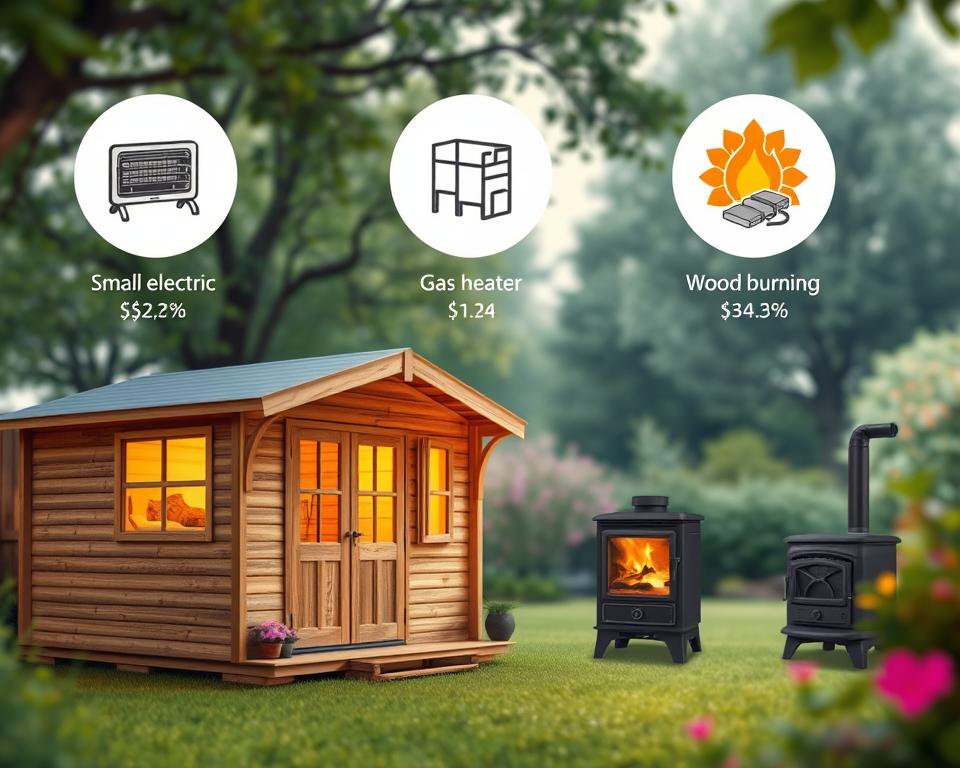
Understanding gardenhouse heating costs requires a strategic approach beyond simple price comparisons. Your wooden gardenhouse represents an investment that deserves careful heating consideration to maximise comfort and minimise expenses.
Selecting the most cost-effective heating solutions involves examining multiple factors. Each heating method brings unique financial implications that extend far beyond initial purchase prices.
Breaking Down the Financial Dynamics
When conducting a gardenhouse heating comparison, consider these critical financial aspects:
- Energy efficiency ratings
- Initial installation expenses
- Ongoing maintenance costs
- Heating performance per square metre
Your specific gardenhouse usage patterns dramatically influence overall heating expenses. Weekend leisure spaces require different heating strategies compared to daily workspace environments.
Comprehensive Cost Analysis
To determine the most economical option, analyse these key metrics:
- Hourly running costs
- Heating speed capabilities
- Temperature maintenance efficiency
- Long-term durability
Calculating your precise heating expenses involves understanding your specific gardenhouse characteristics. Size, insulation quality, and intended usage frequency are crucial factors in making an informed decision.
Insulation Essentials: Maximising Your Heating Investment
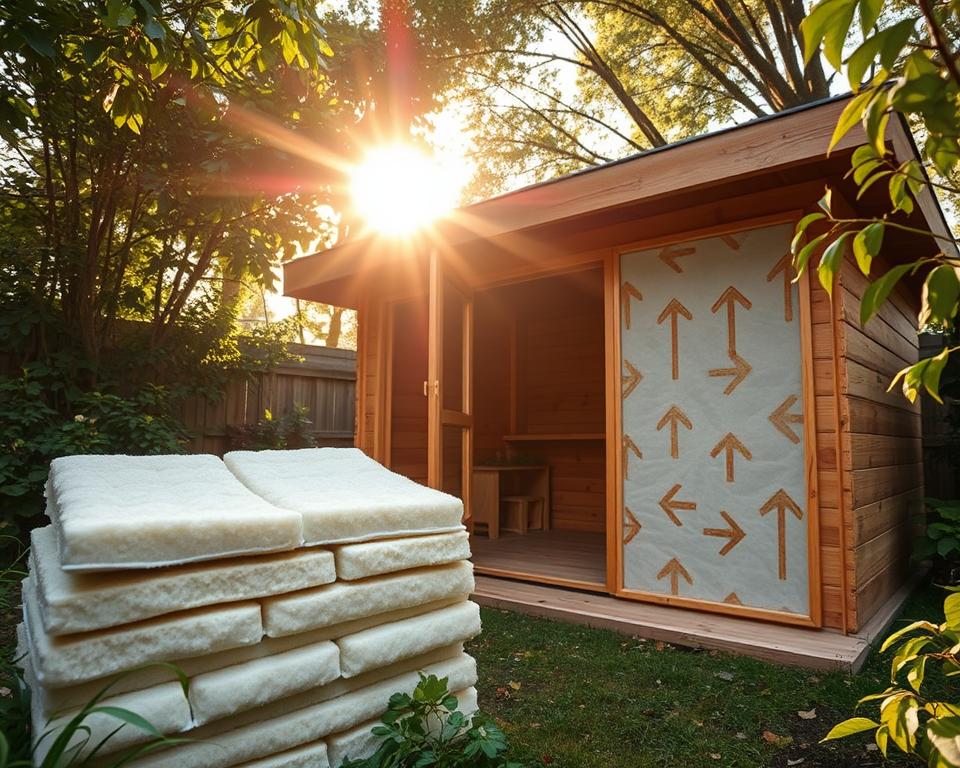
Unlocking the secret to a warm and efficient gardenhouse begins with strategic gardenhouse insulation. Your heating investment can dramatically improve by focusing on heat retention techniques that transform your wooden structure into a cosy retreat.
Understanding where heat escapes is crucial for maximising heating efficiency. Your wooden gardenhouse loses warmth through several key areas:
- Walls (largest heat loss zone)
- Roof spaces
- Timber floors
- Windows and door frames
Effective insulation strategies can reduce heating costs by up to 50%, making it the smartest investment for your garden space.
| Insulation Method | Heat Retention Impact | Difficulty Level |
|---|---|---|
| Wool Insulation Boards | High | Medium |
| Double-Glazed Windows | Very High | Low |
| Draught Excluders | Medium | Easy |
Prioritise a fabric-first approach by sealing gaps, adding insulation layers, and selecting materials that naturally improve thermal performance. Your gardenhouse will become warmer, more energy-efficient, and comfortable throughout the year.
Remember: Smart insulation is the foundation of an efficient heating system.
Smart Heating Solutions: Controlling Your Comfort Remotely
The world of smart heating controls has revolutionised how you manage your gardenhouse temperature control. Modern automated heating systems offer unprecedented convenience and efficiency, transforming your garden workspace into a technologically advanced comfort zone.
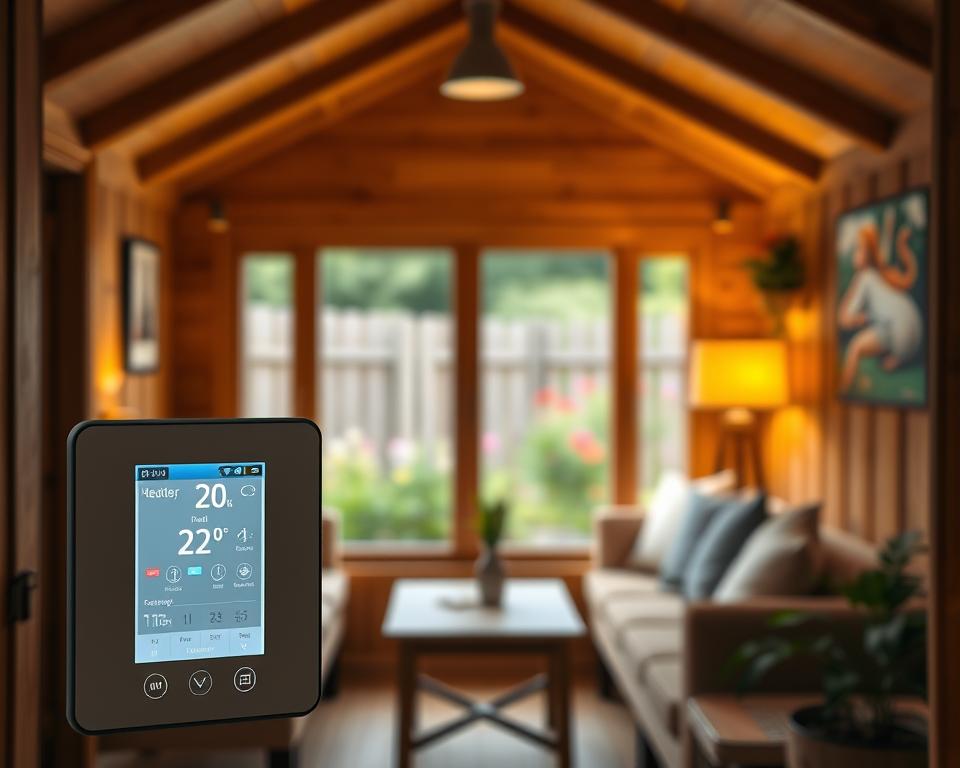
Technological innovations now allow you to manage your gardenhouse heating with remarkable precision. These intelligent systems provide multiple benefits that go far beyond traditional temperature management:
- Remote smartphone control
- Energy-efficient programming
- Customisable temperature settings
- Integration with smart home ecosystems
Intelligent Temperature Management
Your gardenhouse temperature control can now be managed through sophisticated devices that learn your preferences. WiFi-enabled thermostats and smart plugs enable you to:
- Preheat your space before arrival
- Schedule heating cycles automatically
- Monitor energy consumption
- Adjust temperatures remotely
| Smart Control Feature | Potential Energy Savings |
|---|---|
| Programmable Scheduling | 15-25% |
| Zone-Based Heating | 20-30% |
| Remote Smartphone Control | 10-20% |
By embracing these automated heating systems, you’re not just upgrading your gardenhouse—you’re investing in intelligent comfort that adapts to your lifestyle while reducing energy consumption.
Smart heating isn’t a luxury; it’s a strategic approach to efficient, personalised temperature management.
Safety Considerations When Heating Your Wooden Gardenhouse
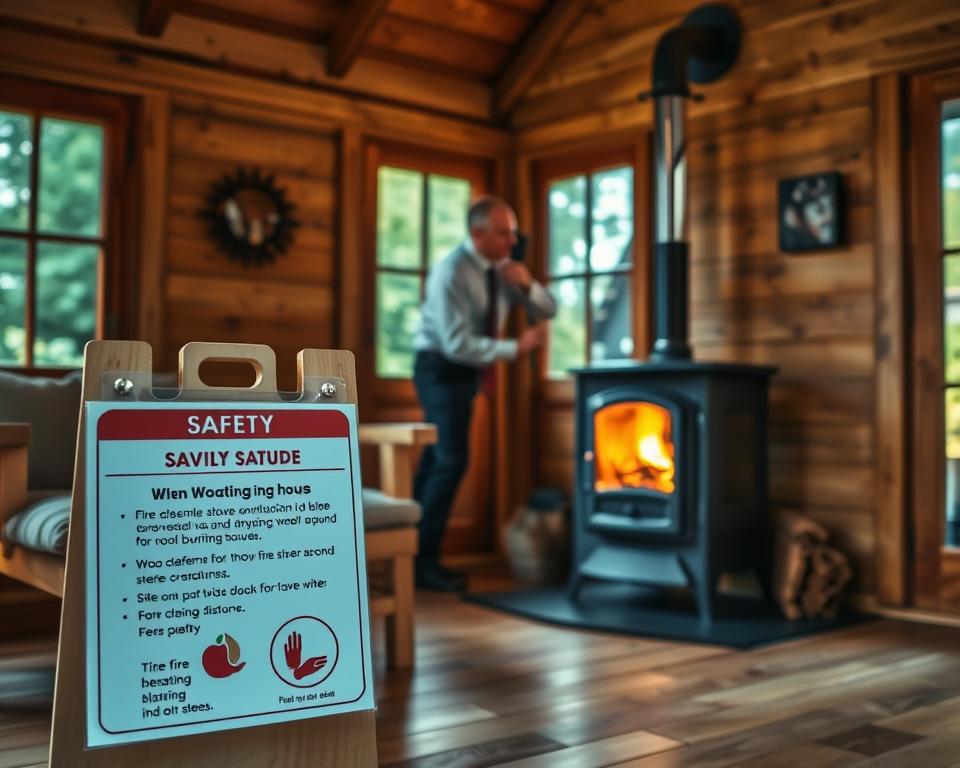
Heating your wooden gardenhouse requires careful attention to safety practices. Understanding the unique challenges of heating wooden structures helps you protect your investment and create a warm, secure space throughout the year.
Heating safety for wooden structures involves several critical considerations. Your primary focus should be on preventing potential fire risks and maintaining proper installation standards.
- Maintain safe clearances between heating devices and wooden surfaces
- Ensure adequate ventilation for all heating systems
- Install smoke and carbon monoxide detectors
- Use electrical systems that meet UK wiring regulations
Different heating methods demand specific gardenhouse heating safety approaches. Electric heaters require careful placement away from flammable materials. Wood-burning stoves need professional installation with appropriate hearth protection. Gas heaters mandate annual professional servicing and proper ventilation.
Safe heating practices include:
- Keep a suitable fire extinguisher in your gardenhouse
- Verify heating system certifications (CE and UKCA markings)
- Never leave certain heater types unattended
- Invest in professional installation for complex systems
By implementing these safety measures, you’ll create a warm, secure wooden gardenhouse that provides comfort without compromising your peace of mind.
Conclusion
You’ve now explored the comprehensive world of gardenhouse heating, arming yourself with a robust heating decision guide that transforms your wooden space into a year-round sanctuary. Each heating option we’ve discussed offers unique advantages, from electric heaters’ convenience to wood-burning stoves’ atmospheric charm.
The best gardenhouse heating solution isn’t about finding a universal answer, but discovering what works perfectly for your specific needs. Your wooden structure’s size, usage patterns, budget, and personal preferences will guide your ultimate choice. Whether you prioritise energy efficiency, aesthetic appeal, or powerful warmth, you now possess the knowledge to make an informed decision.
Remember that successful heating extends beyond the primary system. Insulation, smart controls, and safety practices play crucial roles in creating a comfortable, efficient space. By carefully considering these elements, you’ll create a gardenhouse that remains inviting and functional throughout the seasons, maximising your investment and enjoyment.
Your journey to the perfect heating solution is about more than temperature—it’s about creating a versatile, welcoming space that adapts to your lifestyle. With the insights gained from this guide, you’re ready to transform your wooden gardenhouse into a warm, inviting retreat that serves you brilliantly all year round.
FAQ
What are the most energy-efficient heating options for a wooden gardenhouse?
Infrared heating and oil-filled radiators are among the most energy-efficient options for wooden gardenhouses. Infrared panels can reduce energy consumption by 30-50%, while oil-filled radiators retain heat effectively and operate silently, making them excellent choices for maintaining warmth without excessive energy expenditure.
How can I prevent heat loss in my wooden gardenhouse?
Maximise heat retention by improving insulation across key areas: walls, roof, floors, and windows. Use insulation boards, double-glazing, draught excluders, and thermal curtains. Seal any gaps around frames and joints, and consider adding insulation between wall studs to create a more thermally efficient space.
Are wood-burning stoves safe for a wooden gardenhouse?
Wood-burning stoves can be safe when installed correctly. Ensure proper clearance from wooden surfaces, install a suitable hearth, maintain adequate ventilation, and have a professional conduct the installation. Always use a carbon monoxide detector and have the stove serviced annually to guarantee safe operation.
What heating option works best for a small gardenhouse?
For smaller spaces, electric panel heaters or infrared panels are ideal. They’re compact, easy to install, provide precise temperature control, and don’t require complex infrastructure. These options offer efficient heating without consuming valuable floor space in your wooden gardenhouse.
How much does it cost to heat a typical wooden gardenhouse?
Running costs vary depending on insulation, size, and heating method. On average, you can expect to spend between £20-£100 per month, with infrared and oil-filled radiators typically offering the most cost-effective solutions. Smart controls can help reduce these costs by up to 30%.
Can I use smart technology with my gardenhouse heating?
Absolutely! Many modern heating systems offer WiFi-enabled controls and smartphone integration. You can use smart thermostats, voice assistants, and mobile apps to manage temperature, set schedules, and monitor energy consumption, providing unprecedented convenience and efficiency.
What are the key safety considerations for gardenhouse heating?
Prioritise safety by installing smoke and carbon monoxide detectors, maintaining proper clearances from wooden surfaces, ensuring adequate ventilation, using RCD-protected electrical systems, and having professional installations for complex heating solutions like gas or wood-burning stoves.
How do I choose the right heating solution for my gardenhouse?
Consider factors such as space size, intended use, budget, energy efficiency, and personal preferences. Assess your specific needs by evaluating usage patterns, insulation quality, and the primary purpose of your wooden gardenhouse to select the most suitable heating option.