Efficient Heating for Wooden Garden Houses
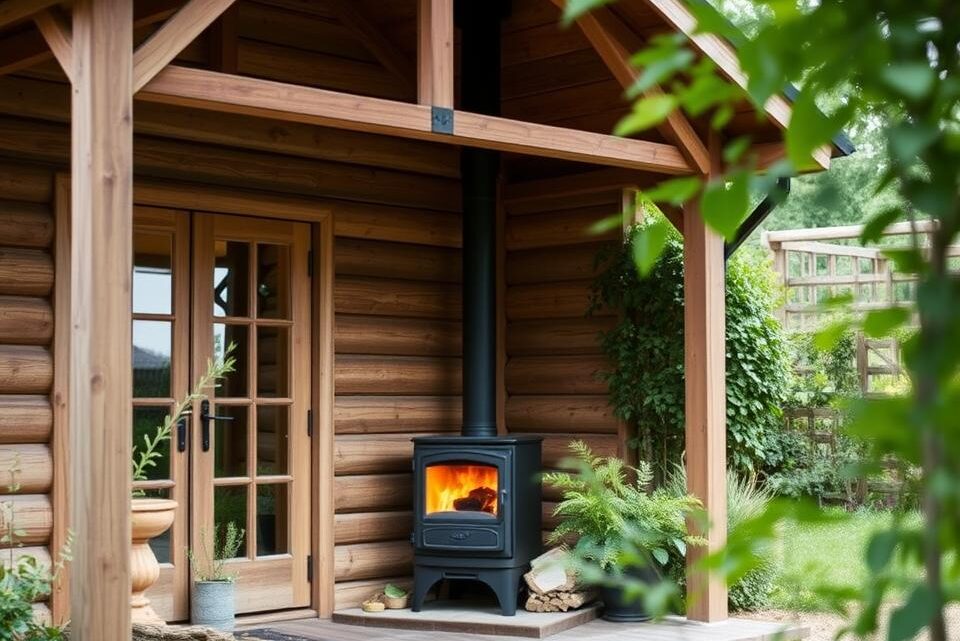
Creating a warm and inviting timber outbuilding that can be enjoyed throughout the year is a challenge many UK homeowners face. The British climate, often characterised by damp and chilly weather, demands effective heating solutions for garden buildings. A well-insulated and efficiently heated wooden garden house not only enhances comfort but also increases the usability of the space.
To address this challenge, it’s essential to explore various heating options and insulation techniques tailored to timber structures. From electric heaters to renewable energy sources, there are numerous ways to achieve a cosy and sustainable garden house. This comprehensive guide will delve into the most effective strategies, focusing on cost-effectiveness and environmental responsibility.
Inhaltsverzeichnis
Key Takeaways
- Efficient heating solutions for timber outbuildings
- Insulation techniques for wooden garden houses
- Renewable energy options for sustainable heating
- Cost-effective strategies for heating garden buildings
- Environmentally responsible heating solutions
Understanding Wooden Garden Houses and Their Heating Challenges
Heating a wooden garden house efficiently requires a deep understanding of its structural properties. Wooden garden houses are prized for their natural beauty and charm, but their heating needs can be quite different from those of traditional brick or concrete structures.
The unique properties of wooden structures play a significant role in their heating challenges. Wood has natural insulating properties, which can be beneficial in maintaining warmth. However, the thermal mass of wood is different from that of brick or concrete, affecting how it absorbs and retains heat.
Unique Properties of Wooden Structures
Wood’s thermal performance is influenced by its moisture content. High moisture levels can reduce the insulating properties of wood, making it less effective at retaining heat. Additionally, wood naturally expands and contracts with temperature fluctuations, which can lead to gaps and cracks that compromise the structure’s overall energy efficiency.
As noted by experts, “The hygroscopic nature of wood means that it absorbs and releases moisture, affecting its dimensional stability and, consequently, its thermal performance.” (A Guide to Wooden Building Structures)
| Property | Effect on Heating | Consideration |
|---|---|---|
| Natural Insulation | Reduces heat loss | Beneficial for energy efficiency |
| Moisture Content | Affects thermal performance | Regular maintenance is crucial |
| Expansion and Contraction | Can lead to gaps and cracks | Regular inspections necessary |
Common Heating Issues in Garden Houses
Garden houses often face specific heating challenges, including heat loss through poorly sealed windows and doors, inadequate insulation, and damp problems that can reduce heating efficiency. Maintaining a consistent temperature can be difficult due to the typically smaller space and thinner walls compared to traditional homes.
- Poorly sealed windows and doors
- Inadequate insulation
- Damp problems reducing heating efficiency
- Difficulty maintaining consistent temperatures
To address these issues, it’s essential to consider the specific heating needs of your wooden garden house.
By understanding the unique properties of wooden structures and common heating issues, you can make informed decisions about the most effective heating solutions for your garden house.
Preparing Your Garden House for Efficient Heating
Efficient heating in your garden house begins with proper preparation and assessment. To ensure your garden house is heated effectively, you need to understand its unique characteristics and heating requirements.
Assessing Your Space Requirements
The first step in preparing your garden house for heating is to assess its space requirements. This involves measuring the dimensions of your garden house to calculate its volume. The volume, along with the level of insulation and the area of windows, will be crucial in determining the heating needs. Accurate measurements are essential for selecting the right heating system.
To calculate the volume, multiply the length, width, and height of your garden house. For example, a garden house measuring 4 meters in length, 3 meters in width, and 2.5 meters in height has a volume of 30 cubic meters. Understanding the volume helps in choosing a heating system that can effectively warm the space.
Determining Optimal Heat Output Needs
Once you have assessed your garden house’s volume, the next step is to determine the optimal heat output needs. This is typically measured in British Thermal Units (BTUs) or kilowatts (kW). The heat output required depends on the level of insulation, the number and size of windows, and the intended use of the garden house.
A basic formula to calculate the required heat output is to multiply the volume of the garden house by a factor that represents the insulation level. For well-insulated spaces, this factor is typically lower (e.g., 0.5-0.75), while for poorly insulated spaces, it’s higher (e.g., 1.0-1.5). For instance, a well-insulated 30 cubic meter garden house might require 15-22.5 kW of heating power.
Seasonal Considerations for UK Climate
The UK’s climate varies significantly across seasons, with cold winters and mild summers. When preparing your garden house for heating, it’s essential to consider these seasonal variations. In winter, dampness is a common issue, while in summer, humidity can be a problem.
Seasonal usage patterns also play a crucial role in determining the heating needs. Whether your garden house is used as an occasional summer retreat, a year-round home office, or a winter hobby room will significantly impact your heating choices. For year-round usage, a more sophisticated heating system with good control over temperature is necessary.
By understanding your garden house’s specific needs and the UK’s seasonal climate variations, you can make informed decisions about the most appropriate heating solution, ensuring both comfort and energy efficiency.
Essential Insulation Strategies for Wooden Garden Houses
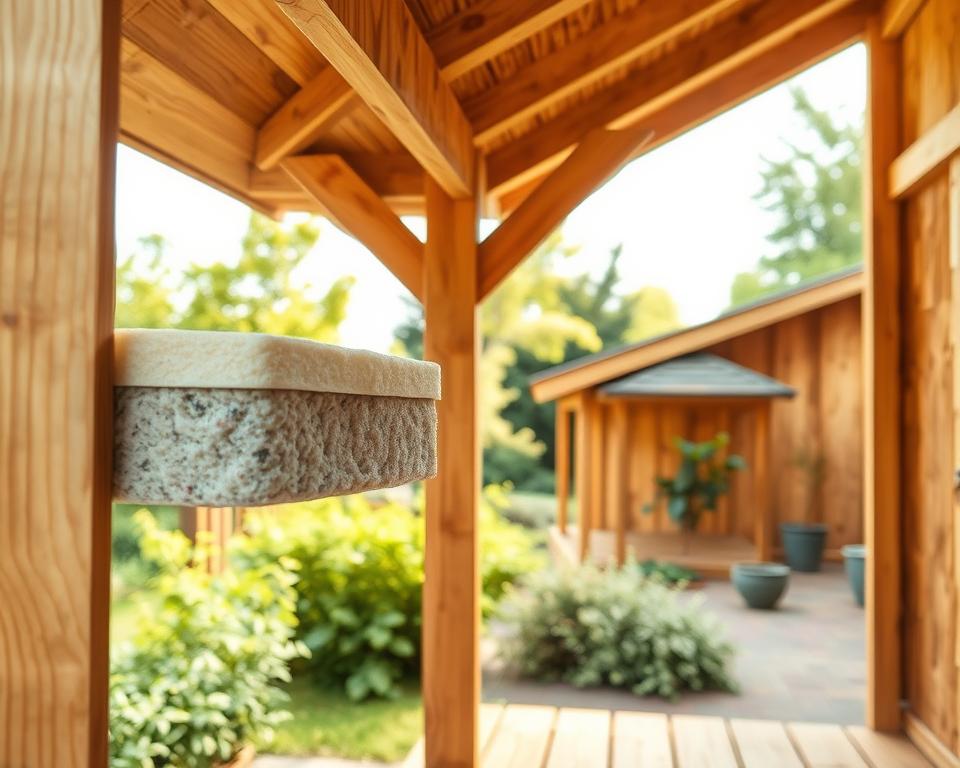
Effective insulation is crucial for maintaining a warm and comfortable environment in wooden garden houses. Proper insulation not only reduces heat loss but also helps in maintaining a consistent internal temperature, making the space more usable throughout the year.
Wall Insulation Options
When it comes to insulating wooden garden houses, the choice of wall insulation is critical. Several options are available, each with its own set of advantages:
- Rigid Foam Boards: These provide high thermal resistance and are relatively easy to install. They are suitable for external insulation, helping to maintain the internal temperature.
- Mineral Wool: A popular choice for its fire-resistant properties and ability to allow vapour to pass through, reducing the risk of moisture buildup.
- Natural Materials (e.g., Sheep’s Wool): Eco-friendly and breathable, natural materials are an attractive option for those looking to minimize environmental impact.
- Reflective Foils: These can be used to reflect heat back into the building, particularly effective in conjunction with other insulation materials.
The selection of wall insulation should be based on factors such as R-value (thermal resistance), moisture resistance, and installation complexity. For instance, rigid foam boards offer high R-values but may require additional vapour barriers to prevent condensation issues.
Floor and Ceiling Insulation Techniques
Insulating the floor and ceiling is equally important to prevent heat loss through these areas. Techniques include:
- Suspended Timber Floors: Insulation can be installed between the joists, ensuring a snug fit to prevent gaps.
- Concrete Bases: Insulation boards can be placed on top of the concrete before adding the final floor surface.
- Composite Decking Systems: Some systems incorporate insulation within the decking structure.
For ceilings, insulation can be installed between rafters or laid on top of the ceiling, depending on the roof design. Ensuring a continuous layer of insulation without gaps is crucial for effectiveness.
Window and Door Draught-Proofing
Draught-proofing windows and doors is a simple yet effective way to reduce heat loss. Options include:
- Weatherstripping: Sealing gaps around doors and windows with appropriate weatherstripping materials.
- Silicone Sealants: Used to fill gaps and seal joints, providing a durable seal.
- Secondary Glazing: Adding an additional layer of glazing to improve thermal performance without altering the original windows.
By implementing these insulation strategies, wooden garden houses can be made more energy-efficient and comfortable, extending their usability throughout the year.
Best Systems for Heating Wooden Garden Houses
Wooden garden houses, whether used as garden rooms, log cabins, or summerhouses, require effective heating solutions to extend their usability throughout the year. The choice of heating system depends on various factors, including the structure’s size, insulation, and intended use.
Electric Heating Solutions
Electric heating is often the most practical choice for garden buildings due to its ease of installation and relatively low upfront costs. There are several types of electric heaters suitable for wooden garden houses.
Panel Heaters and Radiators
Panel heaters and radiators are popular options for garden rooms. They are available in various sizes and can be wall-mounted to save space. Modern slimline panel heaters are particularly suitable for garden buildings as they are efficient and easy to install.
- Convection heaters: These heaters warm the air, which then circulates throughout the room.
- Oil-filled radiators: These provide a consistent heat output and can be more energy-efficient in well-insulated spaces.
Infrared Heating Panels
Infrared heating panels have gained popularity for garden buildings due to their ability to heat objects rather than air. This makes them particularly effective in spaces that may not be perfectly insulated.
“Infrared heating panels offer a highly efficient way to heat garden rooms, as they directly warm objects and people, reducing heat loss.”
Gas Heating Options
Gas heating can be an efficient option for garden houses, especially those with higher heating demands. Both mains-connected and LPG (Liquefied Petroleum Gas) systems are viable, but they require careful consideration of ventilation and safety.
- Mains gas: If available, mains gas can provide a cost-effective heating solution.
- LPG: For locations without mains gas, LPG is a viable alternative, though it may have higher running costs.
Solid Fuel Stoves and Burners
Solid fuel stoves, including wood burners and multi-fuel stoves, offer a charming and often cost-effective heating solution. However, they require consideration of heat output, fuel storage, and regulatory requirements.
| Stove Type | Heat Output | Fuel Type |
|---|---|---|
| Wood Burner | 4-6 kW | Seasoned wood |
| Multi-Fuel Stove | 5-8 kW | Various solid fuels |
Underfloor Heating Systems
Underfloor heating provides a comfortable and efficient heating solution for garden houses. Both water-based and electric systems are available, each with its own installation requirements and compatibility with different flooring materials.
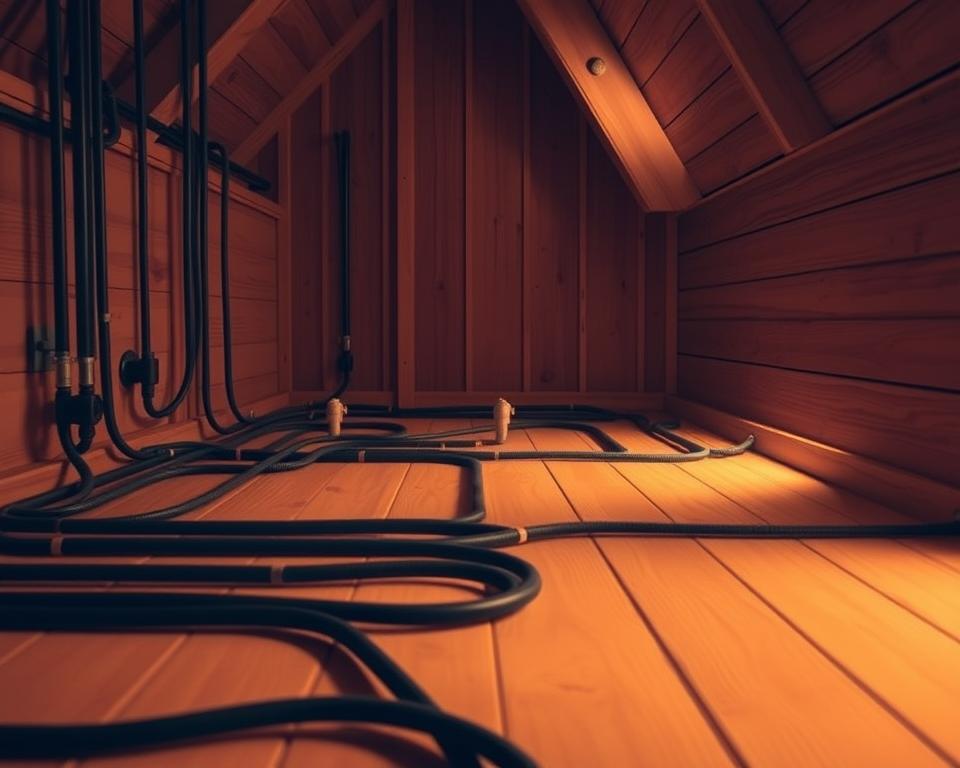
When choosing an underfloor heating system, it’s essential to consider factors such as installation complexity, compatibility with your floor type, and energy efficiency.
Renewable Heating Solutions for Garden Houses
Renewable heating options are transforming the way we enjoy our garden houses, offering eco-friendly alternatives to traditional heating methods. As sustainability becomes increasingly important, homeowners are seeking green solutions to heat their garden structures.
Solar-Powered Heating Systems
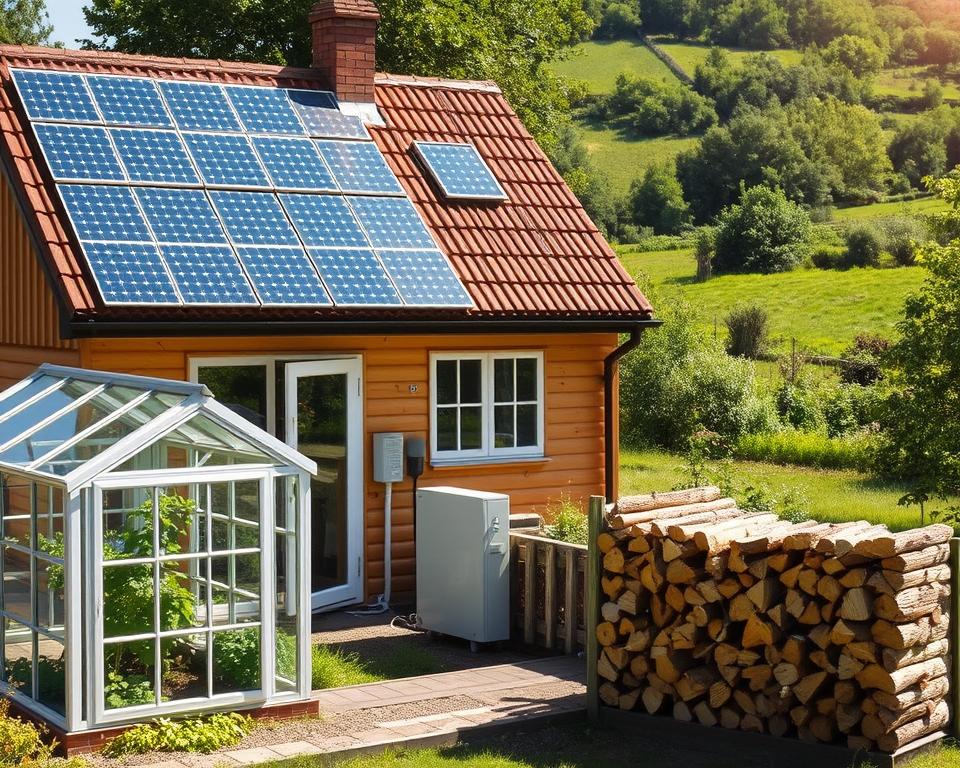
Solar-powered heating systems offer a clean and renewable way to warm garden houses. Passive solar design principles can be incorporated into the structure to maximize natural heat gain. Active solar thermal collectors can also be installed to provide hot water or space heating.
- Solar thermal systems can be integrated with underfloor heating or radiators.
- Hybrid systems combining solar with conventional backup ensure consistent heating.
- Even in the UK’s cloudy climate, solar heating can significantly reduce energy bills.
Heat Pumps for Garden Buildings
Heat pumps are another effective renewable heating solution for garden houses. Air-source heat pumps are particularly suitable for well-insulated garden buildings, offering a viable alternative to traditional heating systems.
- Mini-split systems require minimal structural modification.
- Ground-source heat pumps are ideal for larger installations with sufficient garden space.
- Heat pumps provide both heating and cooling capabilities.
Biomass Heating Options
Biomass heating solutions, including pellet stoves and boilers, offer a sustainable alternative for garden house heating. These systems burn organic materials, reducing reliance on fossil fuels.
- Pellet stoves provide efficient heating with minimal emissions.
- Biomass boilers can be used for both space heating and hot water.
- Fuel sourcing and storage requirements should be carefully considered.
Each of these renewable heating solutions offers unique benefits and considerations. By assessing factors such as initial investment, running costs, and carbon footprint, garden house owners can choose the most suitable eco-friendly heating option for their needs.
UK Regulations and Standards for Garden House Heating
When it comes to heating garden houses, navigating the complex web of UK building regulations is essential. Compliance with these regulations ensures that the heating installation is not only legal but also safe and efficient.
Building Regulations for Heated Outbuildings
Building Regulations approval is required for heated outbuildings under certain conditions. These include installations that involve electrical work, flue installation, or structural modifications. It’s crucial to understand these triggers to avoid non-compliance.
Key Triggers for Building Regulations Approval:
- Electrical work that requires certification under Part P of the Building Regulations
- Installation of a flue or chimney
- Structural alterations to the outbuilding
Energy Efficiency Requirements
The current energy efficiency requirements for outbuildings are outlined under Part L of the Building Regulations. These regulations specify minimum U-values for various building elements, including walls, floors, and roofs.
| Building Element | Minimum U-Value (W/m²K) |
|---|---|
| Walls | 0.3 |
| Floor | 0.25 |
| Roof | 0.2 |
Planning Permission Considerations
Planning permission may be required for heating installations in certain circumstances, particularly for listed buildings or those in conservation areas. It’s essential to check with the local planning authority before commencing work.
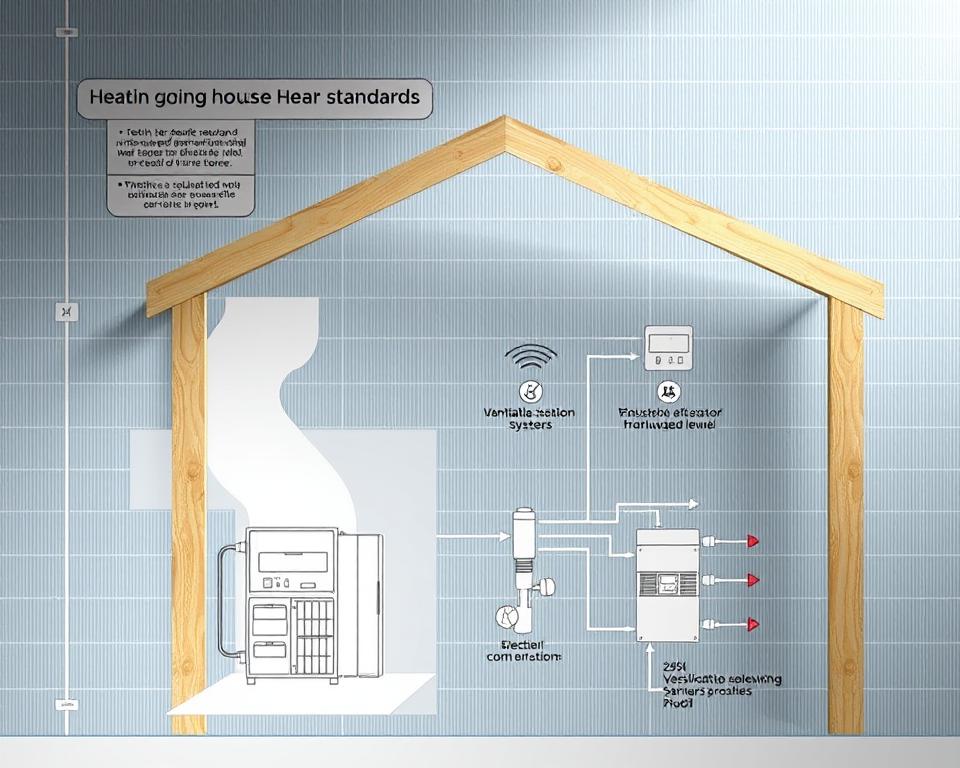
By understanding and complying with these regulations, garden house owners can ensure their heating installations are both legal and safe. It’s also important to consider certification requirements for gas and electrical installations, including the need for Gas Safe registered engineers and compliance with Part P regulations for electrical work.
Installation Guide for Garden House Heating
Proper installation of your garden house heating system ensures both safety and efficiency. The process can vary significantly depending on the type of heating system you’ve chosen for your wooden garden house.
Professional vs DIY Installation
When it comes to installing a heating system in your garden house, one of the first decisions you’ll need to make is whether to opt for a DIY installation or hire a professional. This decision largely depends on the type of heating system you’ve chosen.
For simple electric heating solutions like panel heaters or infrared panels, a DIY installation is often feasible. However, for more complex systems involving gas, solid fuel, or intricate electrical work, it’s highly recommended to hire a professional to ensure safety and compliance with UK regulations.
DIY Installation Considerations:
- Electric panel heaters and infrared panels
- Basic underfloor heating mats
- Simple thermostat controls
Professional Installation Considerations:
- Gas heating systems
- Solid fuel stoves and burners
- Complex underfloor heating systems
- Electrical connections requiring significant wiring
Step-by-Step Installation Process
For DIY installations, here’s a general step-by-step guide for installing an electric panel heater:
- Choose the optimal location for the heater, typically under a window or on an exterior wall.
- Ensure the wall can support the weight of the heater.
- Mark the wall for mounting bracket positions.
- Drill holes and fix the mounting brackets.
- Hang the heater on the brackets.
- Connect to the power supply, following the manufacturer’s instructions.
- Test the heater to ensure it’s working correctly.
For underfloor heating, the process involves:
- Preparing the subfloor by cleaning and leveling it.
- Laying the insulation layer to maximize efficiency.
- Unrolling and cutting the heating mat to size.
- Securing the mat to the floor.
- Connecting the mat to the thermostat and power supply.
- Testing the system before laying the final floor covering.
Required Tools and Materials
The tools and materials needed can vary depending on the heating system. Here’s a general list for electric panel heater installation:
| Tools | Materials |
|---|---|
| Drill | Electric panel heater |
| Spirit level | Mounting brackets |
| Screwdriver | Wall plugs |
| Wire strippers | Electrical cable |
For running power or gas to outbuildings, consider the following:
- Trench depth for cables should be at least 450mm for armored cable or 750mm for unarmored cable.
- Use conduit for added protection, especially in areas with heavy foot traffic.
- Ensure proper ventilation for gas lines to prevent accumulation of gas.
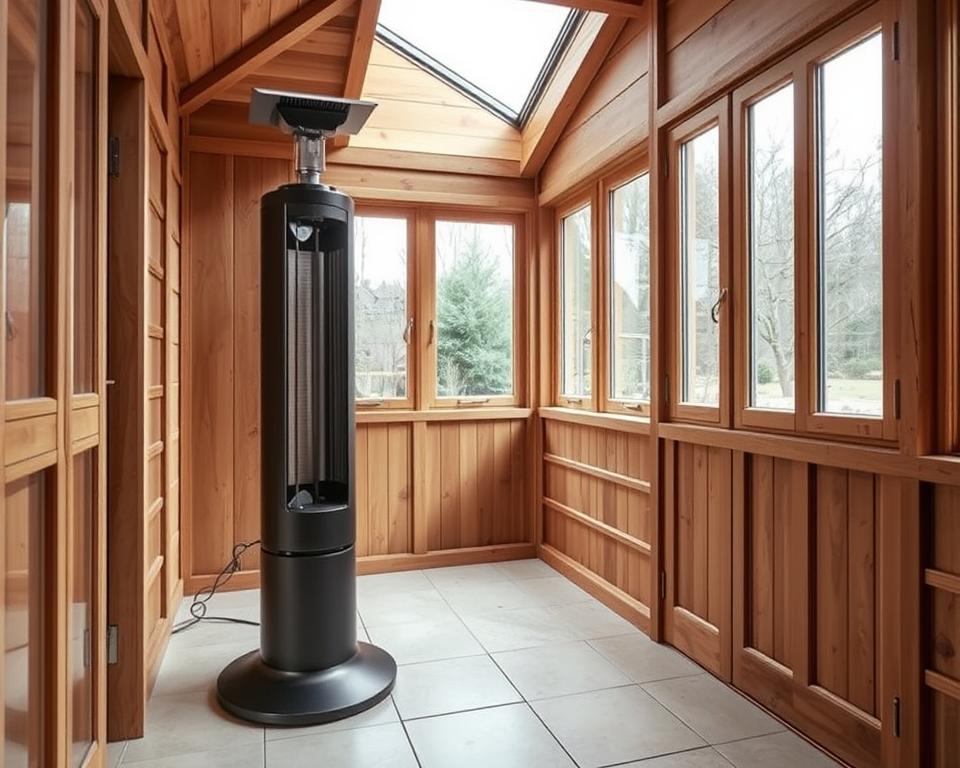
By following these guidelines and considering whether to opt for DIY or professional installation, you can ensure your garden house heating system is installed safely and efficiently.
Energy Efficiency Tips for Heating Wooden Garden Houses
Heating your wooden garden house efficiently requires a combination of the right technology and smart practices. To achieve optimal energy efficiency, it’s crucial to implement advanced control strategies and technologies that reduce energy consumption while maintaining comfort.
Smart Thermostats and Controls
One of the most effective ways to enhance energy efficiency is by installing smart thermostats and controls. These devices allow for precise temperature management and can be controlled remotely via smartphone apps, making them particularly useful for garden houses that aren’t used daily. According to a study by the Energy Saving Trust, smart thermostats can save homeowners up to £75 per year on energy bills.
Some key benefits of smart thermostats include:
- Remote access and control
- Learning capabilities that adapt to your heating patterns
- Energy usage reports to help you understand your consumption
- Geofencing capabilities that adjust heating based on your location
“Smart thermostats have revolutionised the way we control heating in our homes and garden buildings. By optimising heating schedules and reducing waste, they offer a simple yet effective way to save energy.”
Heating Schedules and Timers
Establishing an effective heating schedule is vital for energy efficiency. By using timers and scheduling features, you can ensure that your garden house is heated only when needed. This not only saves energy but also prolongs the lifespan of your heating system.
| Heating Schedule | Benefits |
|---|---|
| Pre-heating before use | Ensures comfort upon arrival |
| Avoiding heating during vacant periods | Reduces energy waste |
| Lowering temperatures when not in use | Saves energy and prevents dampness |
Zoning and Targeted Heating
Zoning involves dividing your garden house into areas and heating them according to specific needs. This targeted approach can significantly reduce energy consumption by focusing heat where it’s needed most.
Benefits of Zoning:
- Reduced energy consumption
- Increased comfort in frequently used areas
- Flexibility to heat different areas for different activities
By implementing these energy efficiency tips, you can enjoy a comfortably heated garden house while minimising your energy bills and environmental impact. Whether you’re using smart thermostats, optimising heating schedules, or adopting zoning strategies, every step counts towards a more sustainable and cost-effective heating solution.
Maintaining Heating Systems in the British Climate
The UK’s damp climate presents particular challenges for maintaining heating systems in wooden garden buildings. Effective maintenance is crucial not only for the longevity of the heating system but also for preserving the integrity of the wooden structure.
Dealing with Damp and Humidity
Dampness and humidity are significant concerns in the UK, where the climate can lead to condensation issues in wooden garden houses. To mitigate these effects, it’s essential to strike a balance between heating and ventilation.
Key Strategies:
- Ensure proper ventilation to reduce condensation
- Use a dehumidifier if necessary to maintain optimal humidity levels
- Regularly inspect for signs of dampness and address issues promptly
Seasonal Maintenance Schedule
A well-planned maintenance schedule is vital for the efficient operation of heating systems in wooden garden houses. This schedule should include pre-winter checks, mid-season inspections, and end-of-season procedures.
| Season | Maintenance Task | Frequency |
|---|---|---|
| Pre-Winter | Inspect heating system, check for leaks, and ensure proper ventilation | Annual |
| Mid-Season | Check system efficiency, clean filters, and inspect for wear and tear | Bi-Annual |
| End-of-Season | Drain systems if necessary, protect external components from weather | Annual |
Troubleshooting Common Issues
Being able to identify and troubleshoot common issues with heating systems can save time and prevent costly repairs. Common problems include uneven heating, unusual noises, and reduced efficiency.
Troubleshooting Guide:
- For uneven heating, check thermostat settings and inspect for blockages in the system.
- Unusual noises may indicate a mechanical issue; consult a professional if the problem persists.
- Reduced efficiency could be due to dirty filters or incorrect system sizing; regular maintenance can help mitigate these issues.
By following these guidelines and maintaining a proactive approach to heating system maintenance, owners of wooden garden houses in the UK can ensure their heating systems remain efficient and effective throughout the year.
Safety Considerations for Garden House Heating
When it comes to heating garden houses, safety should be the top priority, encompassing fire prevention, proper ventilation, and awareness of carbon monoxide risks. Ensuring the safety of occupants and the structure itself requires a comprehensive approach to heating system installation and maintenance.
Fire Safety Measures
Fire safety is a critical aspect of garden house heating. To mitigate risks, it’s essential to maintain appropriate clearances from combustible materials, use hearths for stoves, and install heat shields properly. Selecting fire-resistant materials for areas near heat sources is also crucial.
The installation of smoke and heat detectors specifically designed for outbuildings is vital. Modern detectors can alert homeowners remotely in case of an emergency, providing an additional layer of safety.
Ventilation Requirements
Adequate ventilation is necessary for both combustion air for fuel-burning appliances and general air exchange to prevent condensation and maintain air quality. Proper ventilation helps in reducing the risk of carbon monoxide buildup and ensures a healthy indoor environment.
Carbon Monoxide Awareness
Carbon monoxide awareness is particularly important in small, enclosed wooden structures. The risk of carbon monoxide poisoning can be mitigated by installing carbon monoxide detectors suitable for outbuilding use. Regular maintenance of heating systems is also crucial to prevent carbon monoxide leaks.
Emergency planning is an often-overlooked aspect of garden house heating safety. This includes creating escape routes, selecting appropriate fire extinguishers, and having communication options available in case of an emergency.
| Safety Measure | Description | Importance Level |
|---|---|---|
| Fire-Resistant Materials | Using materials that can withstand high temperatures near heat sources. | High |
| Proper Ventilation | Ensuring adequate airflow to prevent carbon monoxide buildup and condensation. | High |
| Carbon Monoxide Detectors | Installing detectors to alert occupants of potential carbon monoxide poisoning. | Critical |
| Regular Maintenance | Regularly checking and maintaining heating systems to prevent failures and leaks. | Critical |
By focusing on these safety considerations, garden house owners can significantly reduce the risks associated with heating their structures, creating a safer and more enjoyable space.
Cost Analysis and Budgeting
When planning to heat your garden house, understanding the financial implications is crucial for making informed decisions. The total cost of ownership for a garden house heating system includes both initial installation costs and ongoing operational expenses.
Initial Installation Costs
The initial investment for a garden house heating system can vary widely depending on the type of system chosen. Here’s a breakdown of typical costs:
- Electric heating systems: £500-£2,000
- Gas heating systems: £1,000-£5,000
- Solid fuel stoves: £800-£3,000
- Underfloor heating: £1,500-£6,000
- Renewable energy systems (e.g., solar, heat pumps): £2,000-£10,000
These costs include both equipment and installation labour. It’s essential to obtain quotes from multiple suppliers to compare prices.
| Heating System | Initial Cost Range | Typical Installation Time |
|---|---|---|
| Electric Heating | £500-£2,000 | 1-3 days |
| Gas Heating | £1,000-£5,000 | 3-7 days |
| Solid Fuel Stoves | £800-£3,000 | 2-5 days |
| Underfloor Heating | £1,500-£6,000 | 5-10 days |
| Renewable Energy Systems | £2,000-£10,000 | 5-14 days |
Running Costs Comparison
Operational costs for garden house heating systems vary significantly based on the type of system, energy prices, and usage patterns. Here’s a comparison of typical running costs per hour:
- Electric heating: £0.20-£1.00 per hour
- Gas heating: £0.15-£0.80 per hour
- Solid fuel stoves: £0.10-£0.50 per hour
- Heat pumps: £0.15-£0.40 per hour
For a more accurate estimate, consider your specific usage patterns and local energy prices. A smart thermostat can help optimize your heating schedule and reduce costs.
“The key to cost-effective heating is not just the initial cost, but how much it costs to run over time.”
Long-term Investment Considerations
When evaluating heating options, it’s crucial to consider the long-term implications. Factors to consider include:
- System lifespan
- Maintenance costs
- Potential energy price changes
- Impact on property value
Renewable energy systems, although often more expensive upfront, can offer significant long-term savings and may qualify for UK government incentives.
Making informed financial decisions when selecting a heating system for your garden house is essential. By considering both initial and ongoing costs, you can choose a system that meets your comfort needs while staying within your budget.
Conclusion
Creating a warm and inviting wooden garden house in the UK climate requires a thoughtful approach to heating. By combining proper insulation with suitable heating systems, you can achieve efficient garden building warmth throughout the year.
The key to successful timber outbuilding heating systems lies in balancing immediate comfort with long-term efficiency. This involves assessing your space requirements, determining optimal heat output needs, and considering seasonal variations in the UK climate.
Wooden garden house heating solutions can range from electric heating and gas options to solid fuel stoves and underfloor heating systems. Renewable energy sources, such as solar-powered heating and heat pumps, offer environmentally friendly alternatives.
When selecting a heating system, it’s crucial to consider factors such as initial installation costs, running expenses, and maintenance requirements. By adopting a holistic approach and integrating smart controls, you can create a warm, efficient, and safe environment that enhances your enjoyment of your outdoor space.
Ultimately, the optimal wooden garden house heating solution will depend on your specific needs, budget, and preferences. By carefully evaluating your options and considering the long-term benefits, you can create a comfortable and inviting garden building that remains usable throughout the year.
FAQ
What are the most effective insulation strategies for wooden garden houses in the UK climate?
Effective insulation for wooden garden houses includes wall insulation options like rigid foam boards, mineral wool, and natural materials such as sheep’s wool. Floor insulation techniques vary depending on whether you have suspended timber floors or concrete bases. Ceiling and roof insulation strategies are crucial, particularly for pitched and flat roof designs. Draught-proofing windows and doors using weatherstripping, silicone sealants, and secondary glazing solutions can significantly improve thermal efficiency.
How do I determine the optimal heat output needs for my garden house?
To determine the optimal heat output needs, you should calculate the appropriate BTU or kW requirements based on your garden house’s volume, insulation level, and window area. Assessing your space requirements and understanding how you intend to use the garden house (e.g., as an occasional summer retreat or a year-round home office) will also impact your heating choices.
What are the best heating systems for wooden garden houses in the UK?
The best heating systems include electric heating solutions such as panel heaters, infrared heating panels, and underfloor heating systems. Gas heating options, including mains-connected and LPG alternatives, are also viable. Solid fuel stoves and burners offer another choice, though they require consideration of fuel storage and emissions regulations.
Are renewable heating solutions suitable for garden houses in the UK?
Yes, renewable heating solutions are suitable. Solar-powered heating systems, including passive solar design and active solar thermal collectors, can be effective. Heat pumps, particularly air-source heat pumps, are another option for well-insulated garden buildings. Biomass heating solutions, such as pellet stoves and boilers, are also available, though they require consideration of fuel sourcing and storage.
What UK regulations and standards apply to garden house heating?
Building Regulations approval is required for heated outbuildings under certain conditions, such as when electrical work, flue installation, or structural modifications are involved. Energy efficiency requirements under Part L of the Building Regulations apply to outbuildings, specifying minimum U-values for different building elements. Planning permission may be necessary, especially for listed buildings or those in conservation areas.
How can I ensure energy efficiency when heating my wooden garden house?
To maximise energy efficiency, consider using smart thermostats and controls, establishing heating schedules and timers, and implementing zoning and targeted heating. Optimising thermostat placement and using adaptive technologies that learn your usage patterns can also help. Ensuring your garden house is well-insulated is fundamental to maintaining energy efficiency.
What maintenance is required for heating systems in the UK climate?
Regular maintenance includes dealing with damp and humidity by balancing heating with ventilation. A seasonal maintenance schedule should be followed, with pre-winter checks, mid-season inspections, and end-of-season procedures. Troubleshooting common issues, such as uneven heating or unusual noises, and addressing them promptly can prevent more significant problems.
What safety considerations should I be aware of when heating my garden house?
Safety considerations include fire safety measures such as appropriate clearances from combustible materials and the installation of smoke and heat detectors. Ventilation requirements must be met, particularly for combustion appliances. Carbon monoxide awareness is crucial, with the installation of carbon monoxide detectors recommended. Emergency planning, including escape routes and fire extinguisher placement, is also essential.
How do I budget for heating my garden house?
Budgeting involves considering both initial installation costs and ongoing running costs. Different heating systems have varying costs, and it’s essential to estimate your likely consumption based on your garden house’s size, insulation levels, and usage frequency. Long-term investment considerations, including the expected lifespan of the system and potential future energy price trends, should also be factored into your budget.