Expert Guide: How to Felt a Shed Roof
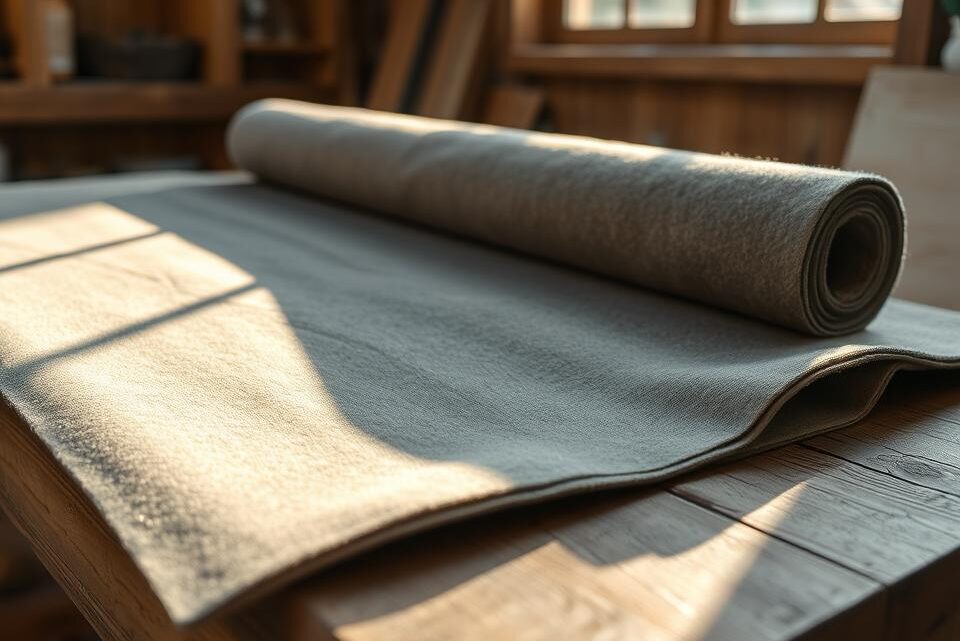
This professional, step-by-step guide is written for UK homeowners and competent DIYers who want a watertight, long‑lasting shed roof. It explains how to felt a shed roof from material choice through preparation, installation, finishing, maintenance, costs and warranty considerations, with practical references to suppliers such as Wickes, B&Q, Screwfix and Jewson.
Read on for a clear scope: choose between traditional bitumen felt and modern alternatives, gather the right tools, follow safe working practices, and learn straightforward troubleshooting for common issues. The guide covers shed waterproofing and shed roof felting in a British climate, taking typical UK shed sizes and weather into account.
This felt shed roof guide is aimed at competent DIYers and small trade operatives. It shows when a roofer should be called—complex abutments, steep pitches or large structures—and breaks the topic into focused sections. Each H2 is supported by H3 subtopics for quick reference so you can find practical steps on felt roofing UK techniques, material specs and maintenance.
Inhaltsverzeichnis
Key Takeaways
- How to felt a shed roof covers materials, tools, preparation, installation and maintenance.
- Felt roofing UK options include traditional bitumen and modern alternative membranes.
- Shed waterproofing depends on correct overlaps, fixings and sealed details.
- Buy materials from Wickes, B&Q, Screwfix or Jewson for UK-suitable products.
- Call a roofer for steep pitches, complex abutments or large commercial-style sheds.
Why Felt a Shed Roof: Benefits and Long‑Term Protection
Installing roofing felt is a pragmatic choice for many UK gardeners who need a reliable, low‑cost cover. The material forms a continuous membrane that sheds water and guards timber against moisture. This section explains how felt performs in British weather, how it extends shed roof longevity, and how it stacks up in cost and value against other options.
Weatherproofing and leak prevention
Properly fitted bitumen or modern polymer felt creates a seamless, water‑resistant layer. That membrane diverts driving rain away from joints and boards. On a correctly pitched roof, felt copes with occasional ponding for short periods and resists wind uplift when nailed or glued along battens.
Polymer felts offer improved flexibility in cold weather and greater tear resistance compared with older mineral sheets. Good installation reduces the risk of penetrating moisture, helping to keep contents dry and preventing damp from spreading into timber walls.
Extending the lifespan of your shed
Felt protects the roof deck from direct exposure to precipitation and UV. Timber beneath the felt stays drier, which slows rot and insect damage. Regular checks and minor repairs keep the roof watertight and reduce the need for costly structural work.
Typical lifespans vary by product. Conventional mineral felt will often last between 5 and 15 years depending on grade and installation. Modern polymer felts can deliver shed roof longevity of 20 years or more when fitted correctly and maintained.
Cost effectiveness compared with other roofing options
Felting is commonly the most economical choice for garden sheds. The cost of shed roofing for felt is usually lower in materials and labour than alternatives such as metal, architectural asphalt shingles, or EPDM rubber.
Felt vs shingles presents a clear trade‑off: shingles may look more decorative and last longer in some cases, yet they raise both material costs and fitting time. Metal roofs are durable but often need specialist fixings and higher upfront spend. For many homeowners, the benefits of shed felt balance affordability, easy DIY installation and acceptable lifespan, making it a sensible long‑term option.
| Roofing Option | Typical Lifespan | Approximate Cost Range (materials only) | Key Advantages | Key Drawbacks |
|---|---|---|---|---|
| Conventional mineral felt | 5–15 years | £10–£40 per roll | Low cost, easy to fit for DIY | Shorter lifespan, more prone to UV breakdown |
| Polymer (synthetic) felt | 15–25 years | £30–£80 per roll | Greater durability, better cold‑weather performance | Higher upfront cost than mineral felt |
| Asphalt/architectural shingles | 15–30 years | £60–£150 per batch | Improved appearance, good weather resistance | More expensive, longer install time |
| Metal roofing (steel/aluminium) | 30+ years | £100–£300 panels | Very durable, low maintenance | Higher cost, may need specialist fitting |
| EPDM rubber | 20–30 years | £80–£200 sheets | Excellent waterproofing, long life | Pricier, adhesive application can be tricky |
how to felt a shed roof
This part outlines the felting process and what to expect when you tackle a small shed. The aim is to give a clear felting process overview so you can plan tools, time and tasks. Read through the steps before starting to ensure safe, tidy work and a durable result.

Overview of the felting process
The felting process overview breaks the job into simple stages. First, assess and prepare the roof deck, repairing rotten timber and sanding rough spots. Next, measure and cut the felt to size, allowing correct overlaps.
Install any underlay or battens if your roof requires them. Lay and fix the felt using galvanised clout nails, staples or adhesive, keeping laps tight. Finish by sealing edges, fitting flashings and protecting verges with drip trims.
Key stages from preparation to finishing
Start with inspection and repair of the timber deck. Remove debris, replace damaged boards and prime exposed timber to improve adhesion.
Set out rolls on the roof and mark cut lines for neat edges. Use a sharp knife and straight edge to cut rolls to length for minimal waste.
Fix the felt using the chosen method. For small sheds, galvanised clout nails with neoprene washers work well. For larger surfaces consider adhesive systems rated for roofing use.
Fit flashings where the roof meets walls or gutters. Use lead or plastic flashings as appropriate and seal around pipes or vents to prevent water ingress.
Complete a final inspection and tidy the site. Check overlaps, nail lines and that trims are secure. Proper finishing reduces future repair needs.
Expected time and skill level required
For a typical single‑door 6x4ft shed expect around three to five hours total. Preparation usually takes 1–2 hours. Cutting and laying felt takes 1–2 hours. Finishing details take about 1 hour. Larger or more complex roofs will extend shed roof felting time accordingly.
DIY shed roofing difficulty is low to moderate for competent DIYers. Basic carpentry skills and care with weatherproofing produce the best results. For complex abutments or steep pitches, seek help from a roofer with experience of felt roofs.
| Stage | Typical tasks | Estimated time (6x4ft shed) | Skill required |
|---|---|---|---|
| Assessment and repair | Inspect decking, replace rotten boards, sand and prime | 1–2 hours | Basic carpentry |
| Measuring and cutting | Measure roof, unroll felt, mark and cut to length | 30–60 minutes | Basic measuring and cutting |
| Underlay and battens | Install underlay, position battens for fixings | 20–40 minutes | Intermediate |
| Laying and fixing felt | Lay rolls, fix with nails/staples/adhesive, ensure overlaps | 1–2 hours | Intermediate roofing |
| Sealing and finishing | Fit flashings, trims, seal penetrations, tidy site | 1 hour | Intermediate |
Types of Shed Roofing Felt and Materials
Choosing the right shed roof materials affects longevity, appearance and performance. This section compares common options, explains how gauge and weight influence durability, and lists the extra items you will need to finish a neat, weatherproof job.

Traditional bitumen felt takes two main forms: mineral-surfaced rolls and torch-on or self-adhesive bitumen. Mineral felt is familiar to many DIYers and is typically inexpensive. It resists light wear and gives decent weather protection for small roofs. Torch-on and self-adhesive bitumen offer better adhesion to timber decks and improved sealing at overlaps. Compare mineral felt vs synthetic when deciding which suits your shed.
Modern synthetic felts include rubberised EPDM, APP or SBS modified bitumen and glass-fibre reinforced felts. These materials provide improved UV resistance, greater flexibility in cold weather, and longer warranties from manufacturers such as IKO and Marley. EPDM is particularly good for flat or low-pitch roofs because it tolerates ponding and resists tears.
Assess pros and cons before you buy. Mineral-surfaced rolls are cost-effective and easy to source. Synthetic options last longer and cope better with extreme temperatures. Choose the type that matches your budget and how long you expect the shed to remain in service.
Felt weight grades and gauge matter more than many people realise. Lightweight rolls suit temporary fixes or small summerhouses. Medium to heavy grades, often marketed with 3mm or 4mm equivalents, offer higher tear resistance and a longer service life. Check product data sheets for felt weight grades and expected life span.
As a general rule, heavier or thicker felts will resist punctures, foot traffic and uplift. For a workshop or frequently accessed shed, opt for medium to heavy duty. For a low-use garden store, a mid-range grade will balance cost and durability.
Practical shed roof materials go beyond the felt itself. Expect to use timber battens or fillets to create a secure fixing edge and allow ventilation beneath the felt. Underlay and trims are often necessary to meet good-practice detailing and to protect vulnerable edges.
Common ancillary products include bitumen adhesive or roofing cement, galvanised clout nails or stainless staples, verge and drip trims, and lead or PVC flashings for abutments. A roof primer or bitumen paint helps ensure a strong bond on older or weathered timber.
Stick to corrosion-resistant fixings for outdoor use and choose products from trusted UK suppliers such as IKO, Marley and Sika where possible. Using quality underlay and trims will markedly improve the finished roof’s performance and reduce maintenance over time.
Use the right combination of materials for the job: select the appropriate type of roofing felt, check mineral felt vs synthetic benefits, choose felt weight grades to suit use, and include underlay and trims plus durable fixings to complete a reliable, long-lasting shed roof.
Tools and Safety Equipment Needed for Roofing Work
Preparing for felting means organising the right kit and keeping safety front of mind. Gather the correct roofing tools before you start and check that your safety equipment for felting meets UK standards. A tidy setup speeds the job and reduces risk when working at height.

Essential hand tools and power tools
Start with a tape measure, chalk line, utility knife with spare blades and a cutting mat to protect the felt. Tin snips are handy for trims. Include a hammer, spirit level and a good square for accurate lines.
For faster fixing use a roofing nail gun or staple gun, but keep a cordless drill for battens and screw fixings. A caulking gun for sealant and a sturdy workbench or cutting board complete the list for tools for shed roof projects.
Protective clothing, gloves and eye protection
Choose heavy‑duty gloves with a good grip and knee pads for low roofs. Safety goggles protect against dust and flying particles. Wear long sleeves and sturdy boots with non‑slip soles.
When using heated methods such as torch‑on felts, wear flame‑resistant clothing and welding gloves. Check labels and opt for certified roofing PPE UK items to ensure adequate protection.
Ladder, scaffold and working-at-height precautions
Use a stable extension ladder with secure footing for small sheds. For larger or longer jobs, a mobile scaffold or roof platform offers better access and reduces fatigue.
Follow HSE guidance on ladder safety and secure ladders at the top and base. Consider fall arrest systems for steeper pitches. Never work alone when handling heavy rolls and keep the work area cordoned off to protect passers‑by.
Preparing the Shed Roof Surface Before Felting
A well prepared shed roof starts with a clear plan and careful checks. Take time to inspect and make repairs before laying any felt. Good preparation reduces leaks and improves the life of the covering.
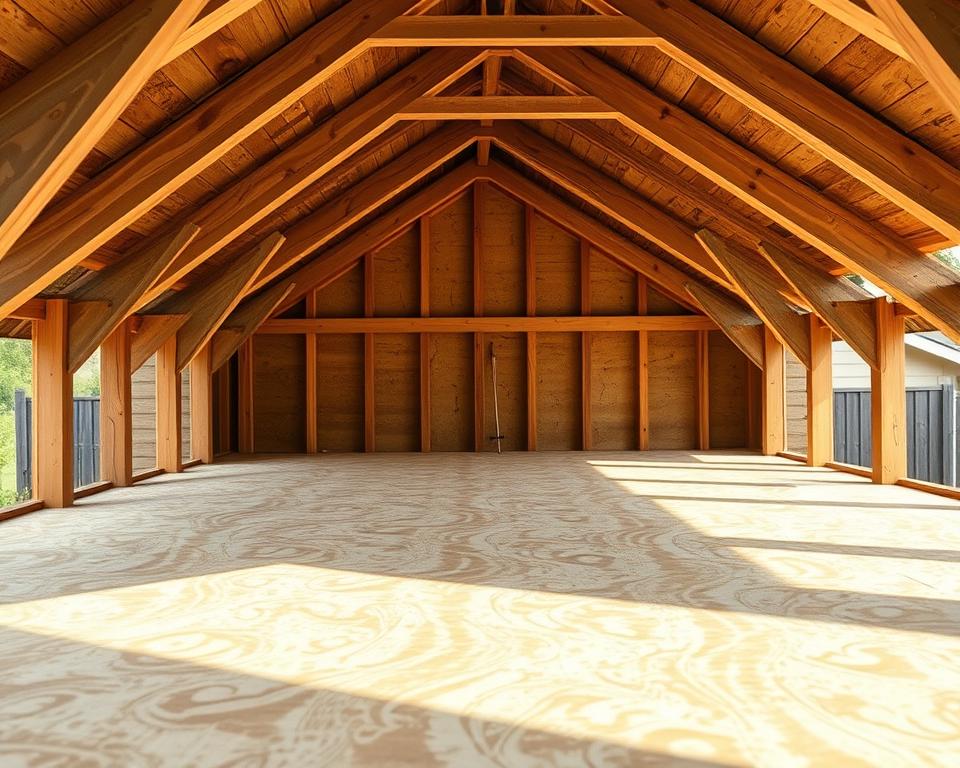
Follow a simple workflow to ensure a sound base. Check the deck, clean and sand timber, then confirm the slope and drainage. Each step makes priming and fixing the felt easier and more reliable.
Inspecting and repairing the roof deck
Begin by visually inspect roof deck boards for rotten or soft areas, splits and loose fixings. Tap suspect boards with a hammer to find hidden rot.
Replace any decayed timber with treated plywood or matching boarding to maintain strength. Ensure joists and supports are sound and secure. Countersink or remove protruding nails and screws so the surface is flat for felting.
Cleaning, sanding and priming timber surfaces
Remove moss, dirt and old loose felt by scraping and brushing. Sand rough patches and sweep the deck clean so dust does not stop adhesion.
Apply a suitable bitumen primer or the manufacturer‑recommended primer for synthetic felts. Priming timber for felt improves adhesion and seals the surface. Allow the primer to dry fully according to product guidance before proceeding.
Checking roof pitch and drainage requirements
Measure the shed roof pitch to confirm it meets the felt maker’s minimum. Many felts work best at a pitch of at least 5° (about 1:12); some products accept shallower slopes but you should always consult the label.
For shallow pitches or flat roofs choose high‑quality polymer felt or alternative membranes. Design adequate fall and channelled drainage to prevent ponding. Proper drainage for shed roofs is vital to avoid long‑term deterioration.
| Check | Action | Why it matters |
|---|---|---|
| Deck condition | Replace rotten boards; tighten joists | Provides a stable, flat base for felt and fixings |
| Surface cleanliness | Remove moss and old felt; sand and sweep | Improves primer bond and prevents trapped moisture |
| Priming | Apply bitumen or product‑specific primer | Seals timber and aids adhesion when priming timber for felt |
| Pitch measurement | Confirm minimum slope; consider alternatives if shallow | Correct shed roof pitch ensures water runs off and reduces leaks |
| Drainage design | Fit falls, gutters or channels as needed | Prevents ponding and extends the life of the felt with good drainage for shed roofs |
Measuring and Cutting Felt Accurately
Accurate measurement and careful cutting set the foundation for a leak‑free shed roof. Begin with a clear plan that covers the full roof area, including eaves and verge allowances. Use the figures from a materials calculation shed roof to order rolls and estimate wastage before you begin work.
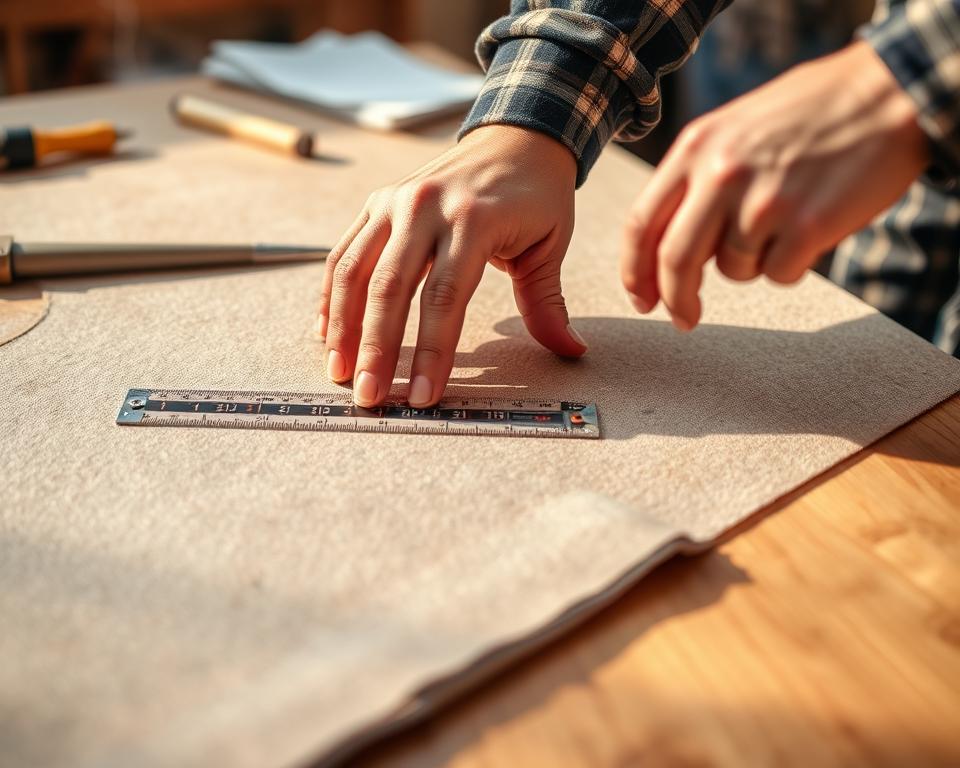
Calculating material quantities and overlaps
Measure roof length and width in metres, noting the run direction for roll widths. Use the roll width to work out the number of runs across the roof. Allow for end laps of 75–100mm and a side lap equal to the felt overlap width recommended by the manufacturer, typically around 75mm.
Increase totals by 10–15% to cover cutting waste and unexpected damage. Record each strip length so you can cross‑check against the materials calculation shed roof and reduce on-site surprises.
Marking and cutting techniques for clean edges
Mark cut lines with chalk and a straight edge for long, straight runs. Lay felt on a flat, clean surface before cutting. Score the top surface with a sharp utility knife then snap through to produce a neat edge.
For torch‑applied or thicker felts use a hook knife and follow safety guidance. Store rolls flat where possible to avoid curling and to help you cut felt accurately.
Managing waste and offcuts efficiently
Plan cuts to make best use of roll widths and to avoid many short unusable pieces. Stagger joins so offcuts can be used as end laps or repair patches later. Keep a labelled box of roofing offcuts for future maintenance.
Dispose of unusable scrap in line with local council guidance. Some materials can be taken to specialist recyclers, which reduces landfill and keeps costs down.
| Task | Typical allowance | Practical tip |
|---|---|---|
| End laps | 75–100mm | Mark each run length and allow extra where the roof slope is shallow |
| Side laps | felt overlap width 75mm (or manufacturer spec) | Use a chalk line to keep overlaps consistent along the eaves |
| Wastage | 10–15% | Round up when ordering; small savings on material can cost more in time |
| Cutting method | Score and snap or sharp hook knife | Cut on a flat surface to cut felt accurately and avoid ragged edges |
| Offcuts use | Patch repairs and small flashings | Store roofing offcuts flat and dry in a labelled container |
Installing Underlay and Battens for Felt Fixing
Good underlay and correctly set battens make the difference between a durable felt roof and one that drafts, ponds or fails early. This short guide explains why roofing underlay for shed projects matters, how to place battens for felt and which common felting mistakes to avoid when preparing roof substrate.
Purpose of underlay and correct installation methods
The underlay acts as a secondary water barrier and a smoother working surface. For small timber decks a breathable roofing underlay is rarely required. A cleancut felt underlay or a 3mm breather felt will level minor defects and reduce wear to the finished felt.
Lay underlay flat across the deck with recommended overlaps. Follow manufacturer guidance on direction and fixing centres. Use corrosion‑resistant fixings to keep the underlay secure without tearing it.
Positioning battens for secure nail or staple fixing
Battens for felt should be positioned at eaves, ridges and abutments to provide a firm edge for nails or staples and to lift the felt clear of any pooling water. Fit intermediate battens where fixings are required so each nail has a solid bite.
Ensure battens are straight, level and fixed with galvanised or stainless fixings to prevent rust stains and loss of holding power. Choose batten depth so nail points do not protrude through the roof deck.
Common mistakes to avoid when preparing the substrate
When preparing roof substrate avoid nailing into rotten or weak boards. Replace compromised timber before fixing underlay or battens. Using damp timber will shorten service life and increase movement under load.
Do not use insufficient overlaps or skimp on fixings. Overuse of near‑edge fixings creates stress points that can tear felt under wind. Allow for ventilation where the design requires it and size battens correctly to prevent nails breaking through the deck.
| Task | Best practice | Risks if ignored |
|---|---|---|
| Choosing underlay | Use cleancut or 3mm breather felt; follow roll direction and overlaps | Uneven felt, premature wear, trapped moisture |
| Fixing underlay | Use corrosion‑resistant fixings at manufacturer spacing | Torn underlay, blown seams, water ingress |
| Setting battens | Place at eaves, ridges, abutments and where fixings sit; keep level | Poor nail hold, water pooling, exposed nail points |
| Selecting fixings | Choose galvanised or stainless nails/staples sized to batten and deck | Corrosion, loss of holding power, staining |
| Preparing substrate | Replace rotten boards; ensure dry, clean surface before laying underlay | Warping, blow‑offs, accelerated decay |
| Avoiding common felting mistakes | Maintain correct overlaps; do not over‑fix; allow ventilation where required | Tearing, blistering, trapped moisture and shorter roof life |
Laying and Fixing Roofing Felt Correctly
Choosing the right method to fix roofing felt sets the tone for a watertight finish. Small sheds often use galvanised clout nails or staples, while larger or delicate surfaces may benefit from a cold‑applied bitumen adhesive. Use corrosion‑resistant fasteners and follow spacing guidance to avoid premature failures.
Choosing the right fixing method: nails, staples or adhesives
For general purpose jobs, galvanised clout nails give a tidy, reliable hold. Staples work well on timber battens and fibreboard when placed correctly. Where mechanical fixings are undesirable, a quality bitumen adhesive or cold bond provides a continuous bond. Match your choice to the substrate, weather exposure and the felt manufacturer’s guidance to fix roofing felt safely.
Securing felt at eaves, ridges and abutments
Turn felt down over the eaves and nail into a drip trim or fascia to direct water away from the roof line. At ridges, use a ridge cap or a separate ridge strip fixed and sealed to prevent uplift. Where felt meets walls or chimneys, fit lead or PVC flashings and over‑soakers, then seal with an approved roofing sealant to secure felt edges and create a weathered lap.
Ensuring correct overlaps and avoiding buckling
Keep side laps and end laps consistent with manufacturer recommendations for felt overlaps. Roll each length out tight and flat, smooth out creases as you fix, and use a broom or weighted roller to press the sheets down. Allow for thermal movement by avoiding over‑tightening fixings; this practice helps avoid felt buckling and reduces the risk of blisters.
As a practical guide, stagger fixings every 150–200mm along edges and every 300–350mm across the body of the sheet unless the product specifies otherwise. Check every seam and flashing before leaving the roof to ensure felt overlaps sit correctly and all edges remain secure.
Sealing Details: Edges, Flashings and Penetrations
Careful sealing lifts a basic felt roof into a watertight shed roof. Small gaps at edges, around roof penetrations or under trims allow water to enter quickly. Treat these details with the same care as the main felt runs to prevent leaks and timber decay.
Properly sealing around vents, pipes and skylights
Cut neat collars in the felt to fit round pipes and use purpose-made rubber or lead pipe flashings to create a tidy seal. For vents, fit a base plate under the felt and seal above with a compatible roofing sealant on the top face.
Skylights need a weatherproof curb and continuous flashing. Run flashing beneath the lower felt course and over the top edge to shed water. Seal from both underside and top where you can access them to secure the joint fully.
Installing flashings and drips for water management
Fit eaves drips and verge trims to guide water clear of timber cladding. Use lead flashings where felt meets masonry. If lead is unsuitable, choose Code 4 lead‑free alternatives or purpose-made aluminium step flashings for abutments.
Secure flashings into brick or block with appropriate plugs and a compatible roofing sealant. Dress flashings tightly against the felt and nail into the batten or substrate so water cannot track behind the trim.
Using sealants and tapes for watertight joints
Use high‑quality bituminous roofing sealant, butyl tapes or polymer roofing tapes rated for external use. Check manufacturer guidance on compatibility; some solvents will damage modern synthetic felts.
Prime timber or painted surfaces before applying tape to ensure good adhesion. Run continuous beads of sealant at overlaps and where roof flashings meet felt to form a resilient, watertight bond.
| Detail | Recommended Product | Key Action | Expected Benefit |
|---|---|---|---|
| Round pipe penetrations | Rubber pipe flashing (EPDM) or lead collar | Cut collar, fit under felt, seal top face with roofing sealant | Durable seal around roof penetrations |
| Skylight junctions | Weatherproof timber curb + continuous flashing | Flash beneath lower felt and over upper edge, seal both faces | Prevents ponding and leaks at glazing |
| Abutment to masonry | Lead flashing or Code 4 lead‑free alternative | Fix into masonry with plugs, seal with compatible sealant | Stops water ingress where felt meets wall |
| Eaves and verges | Eaves drip, verge trim (aluminium or PVC) | Fit to edges, secure to battens, dress felt over trims | Directs run-off away from timber edges |
| Laps and joins | Butyl or polymer roofing tape + bituminous sealant | Prime surface, apply tape, run bead of sealant over joint | Creates continuous watertight seam for a long life |
Maintenance and Troubleshooting After Felting
Regular upkeep keeps a felt roof performing well and prevents small faults from growing into major repairs. Carry out a felt roof inspection at least twice a year, ideally in spring and autumn, and after any severe storm. Check for loose edges, punctures, lifted laps, ponding water and worn mineral surfacing. Clear debris, trim overhanging branches and keep gutters and fascias free of leaves to maintain good drainage and reduce moss growth.
Routine inspection schedule and seasonal checks
Schedule a felt roof inspection in March and October, with an extra check following heavy winds or hail. Look along the eaves, around flashings and at overlaps where water often lies. Use a torch to spot small splits and inspect from ground level first, then from the roof if safe to do so. Record findings and act on recurring issues quickly to maintain felt roof resilience.
How to repair splits, blistering and loose edges
Small splits are best patched with matching felt and bitumen adhesive or a butyl repair tape. Clean the area, lift the surrounding membrane, apply adhesive and press the patch firmly in place. For blisters, gently lift the felt, puncture the blister to release trapped air and re‑adhere with bitumen adhesive; replace sections that show severe degradation. Re‑nail or re‑staple loose edges and seal with a compatible roofing sealant to prevent further uplift.
When to consider re‑felting or upgrading the roof
Plan re‑felting when large areas show wear, leaks recur, blistering is extensive or the felt reaches its expected life. If the shed has a shallow pitch or suffers regular ponding, consider upgrading to a polymer membrane or EPDM for longer life and superior water resistance. An upgrade can reduce future maintenance and give better performance on low‑slope roofs.
| Issue | Quick fix | When to re‑felт or upgrade |
|---|---|---|
| Small split | Clean area, apply bitumen adhesive and patch with matching felt or butyl tape | Only if splits become recurrent across multiple seams |
| Blistering | Lift surrounding felt, puncture blister, re‑adhere with adhesive; replace if severe | When blisters are widespread or reappear after repair |
| Loose edges or nails | Re‑nail or re‑staple and seal with roofing sealant | If uplift recurs across the roof despite repairs |
| Ponding water | Clear gutters, improve fall where possible and remove debris | Consider upgrading to EPDM or polymer membrane for low pitches |
| Worn mineral surfacing | Spot repair with adhesive and patch or replace affected strip | When large areas lack protective surfacing and leaks start |
Cost Estimates, Planning Permission and Warranty Considerations
Knowing likely spend, permissions and guarantees helps plan a felt job with confidence. Below are practical figures, legal pointers and warranty notes to guide decisions on shed roofing costs and whether to DIY or hire a pro.
Typical material and labour cost breakdown for UK sheds
Basic mineral felt rolls typically cost between £10 and £40 depending on grade and size. Synthetic felts or EPDM membranes start higher, from about £50 to £200 or more per roll or membrane. Ancillaries such as primer, nails, trims and flashings usually add £20–£80 to the bill.
For a small garden shed engaged locally, labour can range from roughly £80 to £200 for a simple re-felt, with regional variation. Shed roofing costs vary widely with size, material and complexity, so ask for detailed quotes from merchants such as Wickes, B&Q or Screwfix, and from tradespeople.
When planning permission may be required
Most re-felting works and small garden sheds fall under permitted development and do not need formal shed roof planning permission. Rules insist the building is not forward of the principal elevation, meets height limits and is not on designated land without consent.
Large or attached structures, or placements on conservation land, can need permission. Check guidance with your local planning authority before starting work if your shed is atypical or close to boundaries.
Understanding product warranties and guarantees
Manufacturers typically offer roofing felt warranty periods from about 5 to 20 years depending on product quality. These warranties usually cover material defects rather than weather exposure or incorrect installation.
Installer workmanship guarantees commonly run from 1 to 10 years. To keep both roofing felt warranty and installer guarantee valid, follow manufacturers’ installation instructions, keep receipts and product literature, and register warranties where required.
| Item | Typical UK Price | Notes |
|---|---|---|
| Mineral felt roll | £10–£40 | Good for small sheds; choose grade by expected lifespan |
| Synthetic felt / EPDM | £50–£200+ | Higher upfront cost, longer life and improved waterproofing |
| Ancillaries (primer, nails, trims) | £20–£80 | Includes primer, battening, nails and flashings |
| Labour for small shed | £80–£200 | Depends on region, access and complexity |
| Typical warranty (manufacturer) | 5–20 years | Often pro rata; covers material defects if installed correctly |
| Workmanship guarantee (installer) | 1–10 years | Check terms and get written confirmation |
| DIY vs tradesman cost | Lower material-only spend vs higher total cost | DIY reduces labour spend but may affect warranty and finish |
Conclusion
Summing up how to felt a shed roof summary: start by preparing and repairing the roof deck so it is clean, dry and sound. Choose suitable felt, underlay, battens and fixings from reputable suppliers such as Jewson or Wickes, and measure carefully to allow correct overlaps. Use the right fixing technique and seal all edges, flashings and penetrations to create a durable, watertight finish.
For UK conditions, pick materials and a felt grade that suit local weather and your roof pitch. Regular inspection and simple maintenance will extend the lifespan of the roof and help avoid costly repairs. Follow product datasheets and manufacturer guidance when applying adhesives, sealants or specialist trims.
Be realistic about skill level: a small, simple shed is often a suitable DIY job, but complex abutments, steep pitches or large roofs are best handled by experienced roofers. As a final set of felt shed roof final tips and shed roofing conclusion, plan before you buy, check regulations and safety requirements, and prioritise care and attention to detail to achieve a long‑lasting result.
FAQ
What is the minimum roof pitch required for felt on a shed?
Most manufacturers recommend a minimum pitch to ensure drainage. For conventional mineral felt a sensible minimum is around 5° (approximately 1:12), though some products permit shallower slopes such as 1:80. Always check the specific product datasheet and, for shallow pitches, consider polymer or EPDM membranes designed for low fall to avoid ponding.
Which felt type should I choose — traditional bitumen or a modern synthetic?
Choice depends on budget, lifespan and roof conditions. Mineral bitumen felt is inexpensive and suitable for many small sheds. Modern polymer/synthetic felts (SBS/APP modified, EPDM or glass‑fibre reinforced) offer better UV resistance, flexibility and longer warranties. For shallow pitches, exposed roofs or where longevity is a priority, opt for a quality synthetic or EPDM membrane.
How much overlap do I need when laying roofing felt?
Typical guidance is 75–100mm for end laps and about 75mm for side laps, but follow the manufacturer’s recommendations for the product you’re using. Add edge allowance for verges and eaves and factor in 10–15% extra material for wastage when ordering rolls.
What tools and safety equipment are essential for felting a shed roof?
Essential items include a tape measure, chalk line, sharp utility knife, hammer or staple gun, spirit level and a cordless drill. For safety: gloves, eye protection, sturdy non‑slip footwear, knee pads and a secure ladder or mobile scaffold. If using torch‑on felts, flame‑resistant clothing and welding gloves are also required.
Can I lay new felt over an existing felt roof?
You can in some cases, but it is only advisable if the existing felt is in sound condition — dry, well adhered and free of widespread blistering or rot underneath. Best practice is to remove degraded layers to inspect and repair the deck. Laying a second layer without addressing underlying defects can trap moisture and shorten the new felt’s life.
How long will felt last on a shed roof?
Lifespan varies by material and grade. Conventional mineral felt typically lasts between 5 and 15 years depending on quality and exposure. High‑quality polymer/synthetic felts and EPDM can last 20 years or more when installed correctly. Regular maintenance and correct detailing extend service life.
What fixing method is best — nails, staples or adhesive?
For small sheds galvanised clout nails or staples are commonly used and effective when spaced correctly. Adhesives or cold‑applied bonding systems are useful where mechanical fixings are undesirable. Use corrosion‑resistant fixings and follow spacing guidance from product documentation for reliable performance.
How do I seal around vents, pipes and skylights?
Use purpose‑made pipe collars, rubber flashings or lead flashings where felt meets penetrations. Cut neat collars in the felt, apply primer if required, and seal with compatible bituminous or polymer sealants or butyl tape. For skylights install a raised curb and continuous flashing to prevent water ingress.
What preparatory work is required before laying felt?
Inspect and replace any rotten or weak boarding, sand and sweep the deck, then apply a suitable primer to improve adhesion. Ensure battens or fillets are level and that the roof has adequate pitch and drainage. Never apply felt to damp timber and make sure fixings will not protrude through the deck.
How often should I inspect and maintain a felted shed roof?
Inspect at least twice a year — spring and autumn — and after severe storms. Check for lifted edges, splits, blisters, ponding and debris. Clear gutters, trim overhanging branches and repair small defects promptly to prevent larger failures.
Can I do the job myself or do I need a roofer?
Competent DIYers can felt a simple, small shed following proper preparation, safety measures and manufacturer instructions. Call a roofer for complex abutments, steep pitches, large spans, or if you lack confidence with working at height. Professional installers also provide workmanship guarantees that some homeowners find valuable.
What are typical costs for materials and labour in the UK?
Material costs vary: mineral felt rolls from about £10–£40 depending on grade; synthetic membranes and EPDM are more expensive, often from £50–£200+ for larger or premium products. Ancillaries (primer, nails, trims) can add £20–£80. If hiring a tradesperson, small shed jobs might cost roughly £80–£200 labour, depending on location and complexity. Prices fluctuate, so obtain local quotes.
Do I need planning permission to re‑felt my shed roof?
Re‑felting an existing shed roof is normally permitted development and does not require planning permission, provided the shed itself complies with permitted development rules (height limits, siting, not on designated land, etc.). For unusual or large structures check with your local planning authority.
How should I dispose of offcuts or old felt?
Small amounts of scrap can usually be disposed of through local household waste services, but some felts and adhesives may require specialist recycling or disposal. Check local council guidance and consider specialist recycling centres or merchant take‑back schemes for larger volumes.
When should I consider upgrading to EPDM or another membrane?
Consider upgrading when you need greater longevity, better UV and ponding resistance, or a membrane suited to low pitches. EPDM and modern synthetic membranes are particularly beneficial for shallow roofs or where long‑term low‑maintenance performance is desired.