Garden Shed Varieties in the UK: Types & Styles
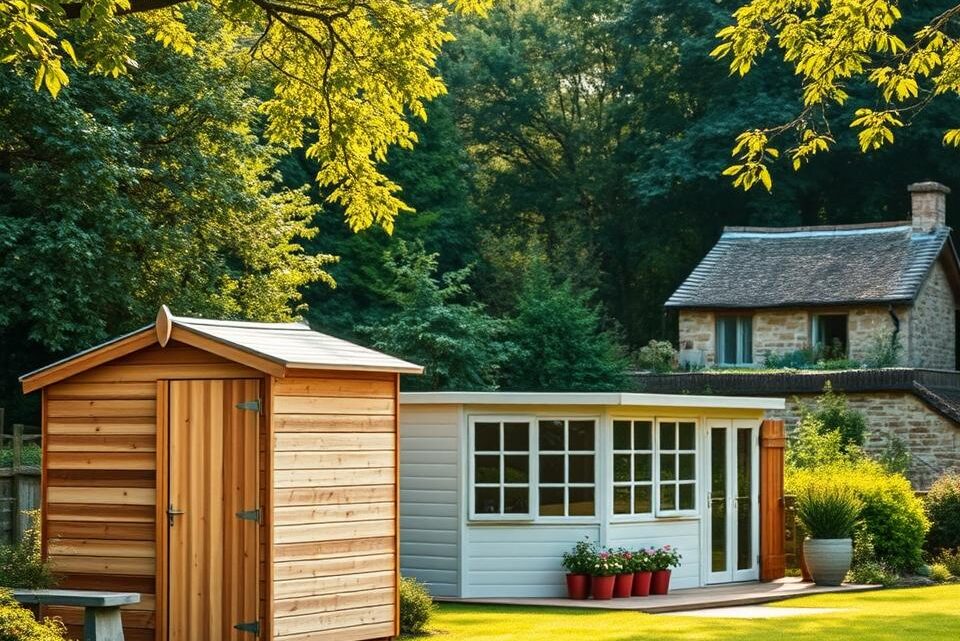
Types of garden sheds shape how British homeowners use outdoor space. This short introduction sets expectations for a practical, UK-focused shed buying guide that covers garden shed varieties UK, shed materials, shed roofs and common suppliers such as Jacksons Fencing, BillyOh, Rowlinson and Forest Garden.
The article outlines shed types and garden shed styles from compact timber sheds and pent roofs to metal sheds, resin options and larger log cabins or summerhouses. It will consider planning issues like permitted development, the British climate, realistic costs, maintenance and likely lifespan.
Readers will find clear guidance on choosing size and layout for storage, workshops or home offices, plus notes on foundations, weatherproofing and contemporary design trends. This section-by-section structure ensures a thorough reference for homeowners, garden designers and DIY enthusiasts across the UK.
Inhaltsverzeichnis
Key Takeaways
- Types of garden sheds vary from timber apex and pent sheds to metal and resin models.
- Garden shed varieties UK include small storage sheds, workshops, log cabins and summerhouses.
- Shed buying guide topics: materials, shed roofs, planning permission and maintenance.
- Well-chosen garden shed styles improve usability and match garden design trends.
- Consider suppliers such as Jacksons Fencing, BillyOh, Rowlinson and Forest Garden for UK options.
Overview of Garden Sheds in the UK
Garden sheds have long been part of British outdoor life. Small to medium-sized gardens make efficient outbuildings very attractive. Sheds reclaim indoor space, keep tools and bikes secure and create dedicated areas for hobbies.
Why garden sheds remain popular in British gardens
Compact homes and rising interest in gardening and DIY mean demand for a garden building stays strong. A shed can be purely practical or styled as a focal point in a landscaped plot. The trend towards remote work has pushed many homeowners to rethink their outdoor space.
Traditional charm adds to the appeal. What began as a storage hut has become a crafted garden room, blending form and function for modern life.
Common uses: storage, workshops, home offices and hobby rooms
Typical shed uses include storing lawnmowers, tools and bicycles. Many gardeners use a shed as a potting area or mini greenhouse when space is limited.
Workshops for woodwork, model-making and repairs are popular. With insulation and electrics a shed for home office becomes a viable, quiet workspace. Other uses include summerhouses, garden bars, playhouses and micro guest accommodation.
Multi-use layouts are common. Owners often combine secure storage with a small studio or craft bench to make the most of available space.
Planning and regulations: permitted development and siting considerations
Permitted development sheds are allowed in many cases, but rules vary across England, Wales and Scotland. Generally, single-storey outbuildings under certain heights do not need full planning consent. Height limits typically depend on roof type and distance from boundaries.
Restrictions apply to listed buildings and conservation areas. Check local authority guidance before buying or siting a building.
Shed siting affects neighbours’ light and privacy. Maintain required distances from boundaries and think about delivery access and foundations. For electrical or heating installations use a competent installer and follow Part P and relevant building regulations where applicable.
Types of garden sheds
Garden sheds come in many forms to suit different needs and spaces. Some are compact and functional while others become full living or working areas. Choosing the right type depends on size, use and planning constraints.
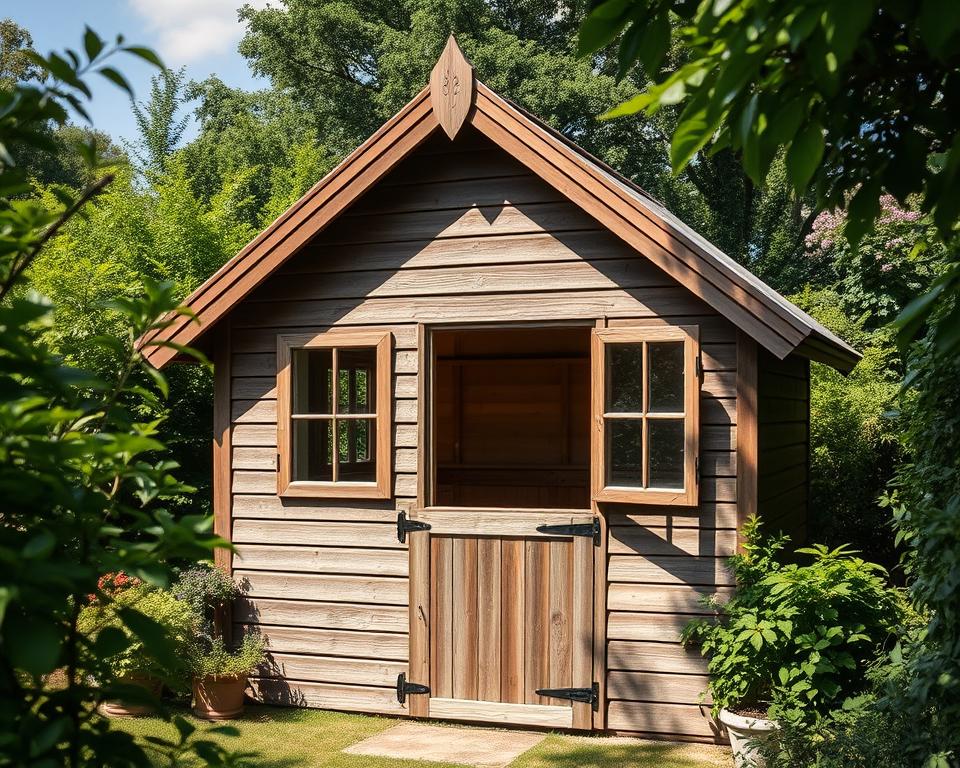
Traditional apex sheds have a gabled roof with a central peak and classic timber frames. They offer generous headroom and a strong profile that suits storage, potting and small workshops. Brands such as Rowlinson and Forest Garden supply many timber apex models. These sheds take standard roof coverings easily but can feel bulky in small gardens.
Pent sheds feature a single-sloping roof and a higher front wall, making them ideal for modern, space-efficient gardens. Their lean-to form works well against fences or walls and sheds water to one side. Typical uses include bike storage, tool stores and narrow workshops. A pent shed is often cheaper to roof and simple to site beneath permitted development height limits.
Log cabin sheds and summerhouses are larger, timber-clad buildings built from interlocking logs or tongue-and-groove boards. They can be double-glazed and insulated for year-round use, so people often choose them as garden offices, studios or guest spaces. A log cabin shed or summerhouse offers a more comfortable interior but may need planning checks if utilities or a large footprint are added.
Metal sheds use galvanised steel or aluminium for a secure, economical store. They resist fire and termites and suit basic storage needs. They can dent and look industrial, and poor galvanisation risks rust over time. A metal shed remains a practical, low-cost option for many gardens.
Resin sheds are moulded from polypropylene with UV stabilisers for weather resistance. Brands like Keter and Lifetime supply popular resin models in the UK market. These sheds require almost no maintenance, assemble quickly and will not rot. They can warp in extreme heat, prove harder to repair and lack the aesthetic of wood for larger garden rooms.
Materials and construction styles for longevity
Choosing the right materials and construction style has a big impact on a shed’s lifespan. Quality timber, robust metalwork or modern composites each bring distinct benefits. Think about site conditions, maintenance capacity and the intended use before deciding.
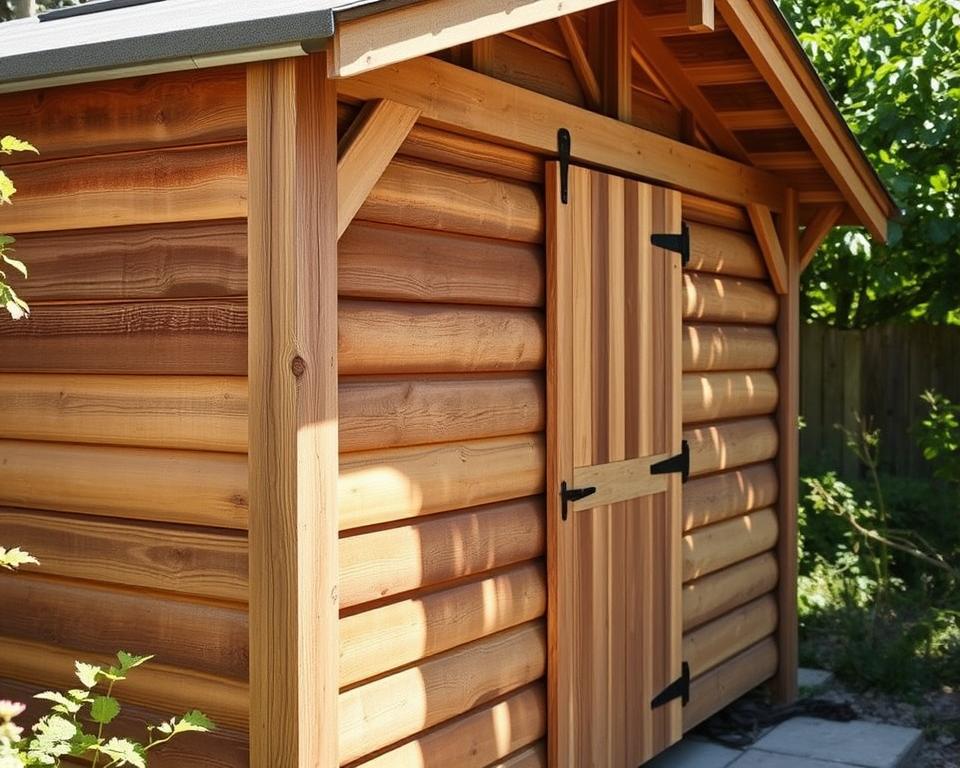
Pressure-treated timber offers an affordable route for resilient builds. Treating timber with copper-based preservatives defends against fungal decay and insects. Pressure-treated wood sheds are widely available and simple to repair on site.
Choose a raised, well-ventilated base to extend the life of treated timbers. Check the manufacturer’s recommendations for retreatment intervals and follow safe handling guidance for chemical preservatives.
Cedar and featherboard cladding delivers natural durability with a prized appearance. Western Red Cedar resists rot and pests while ageing to a silvery finish if left untreated. Featherboard profiles shed water effectively and suit traditional cottage styles.
Cedar cladding commands a higher upfront price but reduces reliance on chemical preservatives. Apply a finish to retain the warm colour, or let the timber weather for a more rustic look.
Composite shed panels blend wood fibre with plastic for minimal upkeep. Composite shed panels remain rot-resistant and offer a consistent finish that suits contemporary designs. uPVC or composite maintenance-free panels are long-lasting and simple to clean.
Expect a larger initial outlay and consider repairability. Panels with matching spare parts simplify future repairs, while warranties help assess expected service life.
Metal and plastic considerations cover galvanised steel, aluminium and resin options. Look for polyester powder-coating and sealed edges to reduce metal shed corrosion. Aluminium resists rust but needs protection against dents and galvanic reactions.
Resin shed durability depends on UV stabilisers and wall thickness. Review manufacturer warranties and panel millimetres to gauge robustness. Plan for thermal expansion, manage ventilation and reduce condensation risks with proper detailing.
Below is a compact comparison to help weigh trade-offs when picking materials. Consider cost, maintenance, lifespan and typical applications for each option.
| Material | Key advantages | Main drawbacks | Typical lifespan |
|---|---|---|---|
| Pressure-treated softwood | Low cost, easy to repair, widely available | Treatment may need reapplication; ventilation required | 10–20 years with maintenance |
| Western Red Cedar featherboard | Natural rot resistance, attractive finish | Higher initial cost; may need finishing to retain colour | 20+ years with basic upkeep |
| Composite / uPVC panels | Low maintenance, rot-proof, consistent look | Higher upfront cost; limited repair options | 20–30 years depending on quality |
| Galvanised steel / aluminium | Strong, long service life if coatings intact | Risk of metal shed corrosion at edges; may dent | 15–30 years with care |
| Resin | Lightweight, rot-free, low upkeep | Can fade or become brittle without UV stabilisers | 10–25 years depending on build quality |
Roof types and weatherproofing for UK climates
Choosing the right roof for a garden building affects longevity and comfort. UK weather brings heavy rain, wind and occasional snow, so understanding shed roof types and appropriate materials helps avoid leaks and damp. This short guide compares common profiles and coverings, then covers insulation and shed ventilation UK solutions.
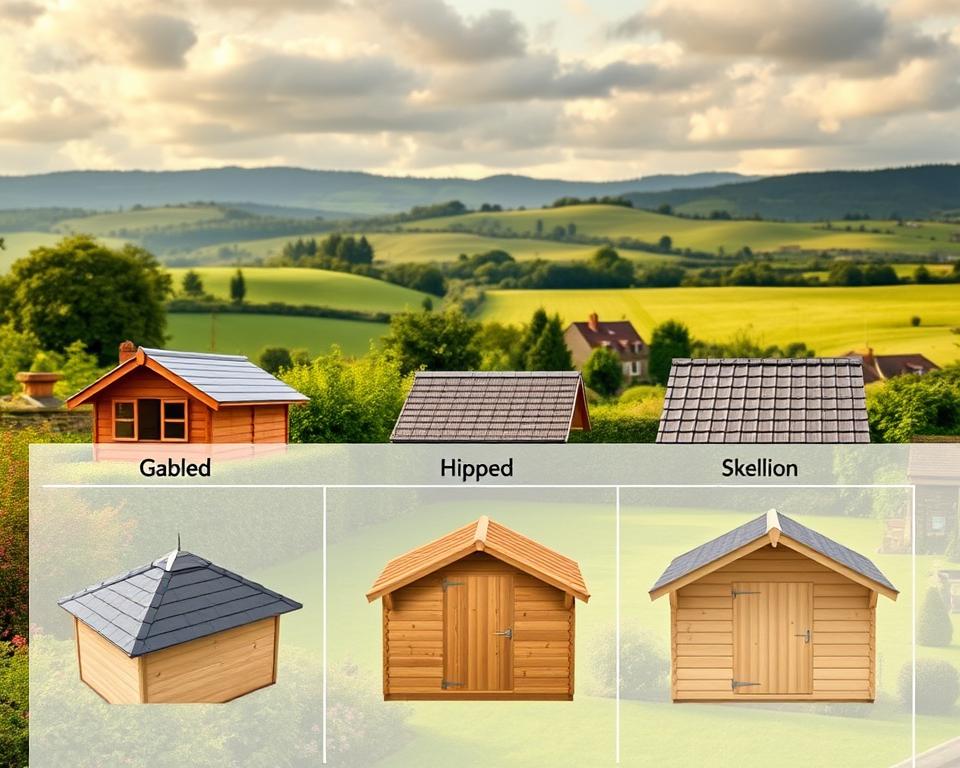
Apex, pent and curved roofs: advantages for rain and snow
Apex roofs offer a steep pitch that sheds water quickly and creates loft space for storage or insulation. They suit traditional designs and stand up well to snow before it builds up. Pent roofs present a single slope for a modern look and simple drainage to one side, ideal where a low profile is needed.
Curved roofs, whether rounded or Gothic-style, resist wind uplift and provide a distinctive silhouette. They can be harder to insulate cleanly, so plan layers carefully if the shed will be used as a heated room.
Felt, shingles and EPDM rubber: roofing materials compared
Shed roofing felt is a low-cost option familiar to many gardeners. Quality varies and replacement is often required every 5–10 years. Felt performs best with correct installation and a protective top layer against UV and wind-lift.
Shingles made from bitumen or treated timber give better aesthetics and a longer life than basic felt. Bitumen shingles resist water and can last 15–25 years when fitted over a suitable decking and underlay.
An EPDM roof provides a durable, low-maintenance membrane for flat and low-pitched roofs. Lifespan ranges from 20 to 40 years with proper detailing at edges and penetrations. EPDM roof systems suit summerhouses and garden offices where longevity matters most.
Metal roofing in corrugated steel or aluminium sheds water fast and stands up to UK storms. Fit an underlay or breather membrane to reduce noise from rain and to control condensation.
Insulation and ventilation to prevent damp and condensation
Good roof insulation shed plans reduce heat loss and stop surface cold spots that cause condensation. PIR board, mineral wool and insulated cladding all work, chosen according to budget and whether the interior is to be heated.
Vapour barriers must be installed correctly to avoid trapping moisture. Pair insulation with effective shed ventilation UK strategies: ridge vents, soffit vents, trickle vents in windows and raised floors help keep air moving and limit mould growth.
For heated garden rooms, insulate the roof and walls well. This lowers running costs and prevents condensation forming on cold surfaces during wet spells common across Britain.
Styles and design trends for contemporary gardens
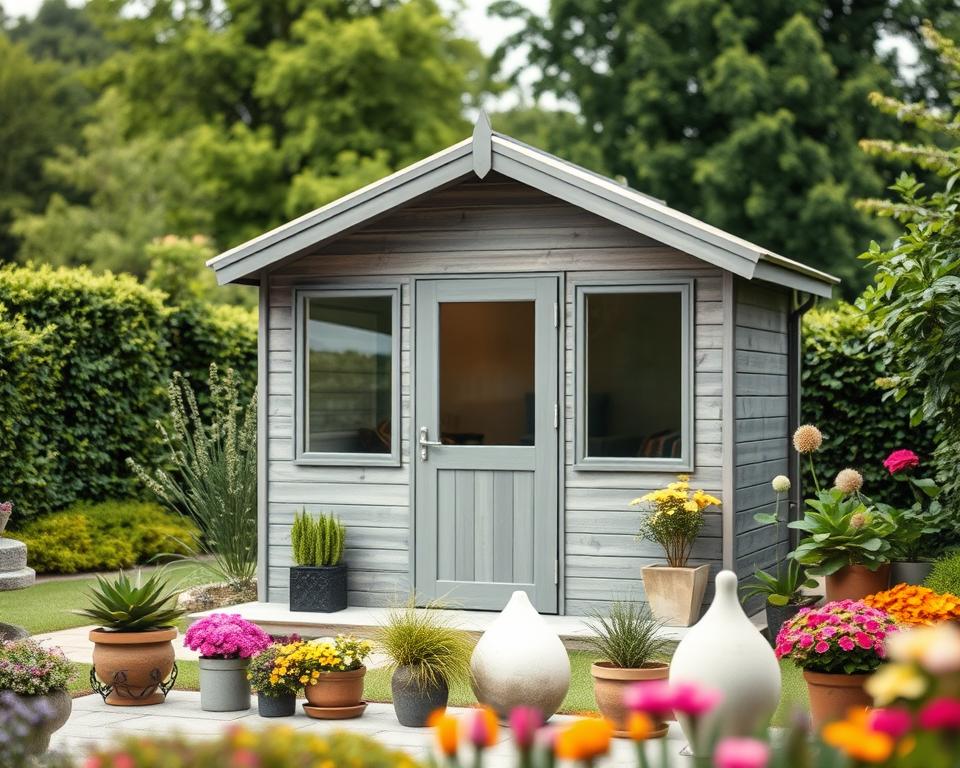
Contemporary garden design blends tradition with modernity. Homeowners in the UK look for sheds that match period properties or contrast them with pared-back forms. Thoughtful materials and simple colour palettes keep buildings looking current while meeting practical needs.
Rustic charm and cottage influences
A cottage style shed favours natural timber, soft greys and sage greens. Heritage ironmongery and decorative bargeboards give character without excess. Small paned windows and shutters suit period homes and informal planting schemes.
Scandi minimalism and light-filled layouts
A Scandi garden shed uses pale larch or Scandinavian pine and clean profiles. Large glazed panels or sliding doors extend living spaces into the garden. Built-in storage, multifunctional interiors and uncluttered finishes make this approach ideal for urban plots.
Green roofs, planters and sustainable upgrades
A green roof shed supports biodiversity and helps with rainwater management. Extensive sedum blankets offer lightweight coverage when paired with suitable root barriers and a sturdy base. Integrated planters soften edges and add seasonal colour.
Practical eco features
An eco-friendly shed combines FSC-certified timber, low-VOC finishes and rainwater harvesting for irrigation. Solar panels can run lighting or low-power heating. Specialist installers such as Green Roof Consultancy and Eternit contractors can advise on load-bearing details and long-term maintenance.
Design choices often mix these trends. A cottage style shed may gain modern glazing. A Scandi garden shed can include a green roof to boost sustainability. Keeping proportions right and materials honest yields a space that serves for years.
| Style | Key features | Best for |
|---|---|---|
| Rustic cottage | Timber cladding, shutters, heritage hardware, muted paint tones | Period gardens, informal borders, traditional homes |
| Scandi minimalist | Light timber, large glazing, sliding doors, built-in storage | Urban plots, modern landscapes, studio or home office use |
| Green roof and planters | Extensive sedum, root barriers, integrated planters, rainwater systems | Eco-focused projects, biodiversity enhancement, insulated roofs |
| Sustainable hybrid | FSC timber, low-VOC paints, solar panels, rainwater harvesting | Owners seeking long-term value and reduced running costs |
Choosing the right size and layout for your needs
Pick a shed that fits the plot and the purpose. Consider typical shed sizes when planning access, foundations and permitted development. Practical layout and sensible dimensions make a shed far more useful than one simply chosen for looks.
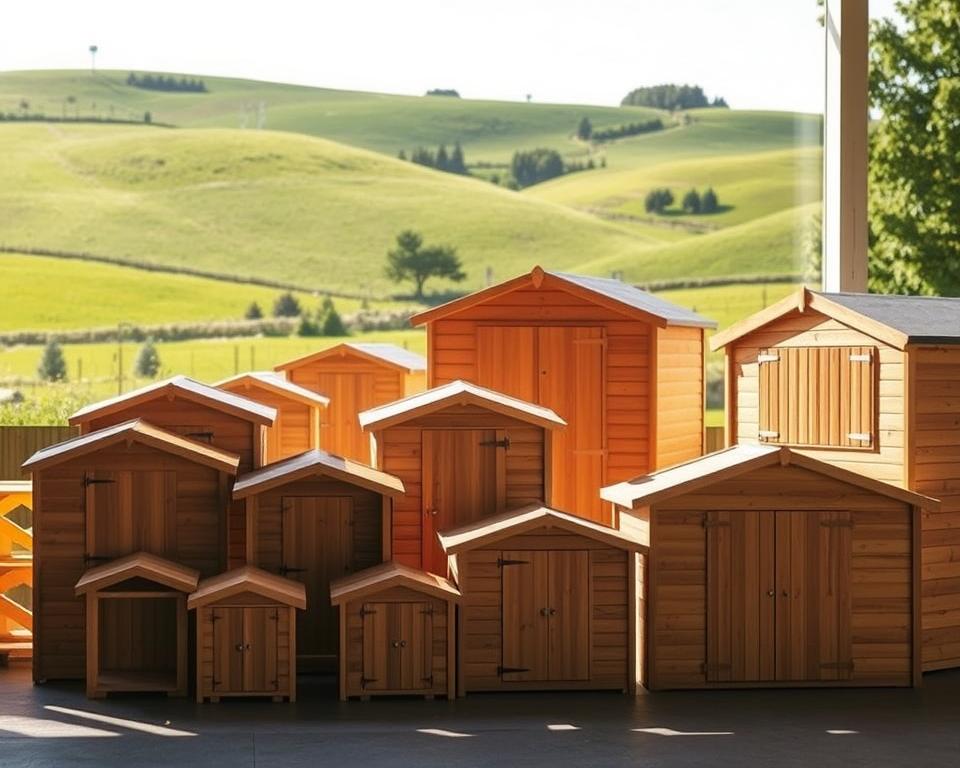
Small garden shed footprints often run from 4ft x 6ft (1.2m x 1.8m) up to 6ft x 8ft. These suit tool storage, lawn equipment and a bicycle. Use vertical storage such as pegboards and shelving to save floor space. Fit a strong lock and consider a narrow pent style for tight alleyways.
Medium options around 8ft x 8ft to 10ft x 12ft work well as hobby rooms or workshops. Plan a clear bench area and leave walking space. Think about the ideal workshop shed size for your projects and whether double doors or a single outward-opening door will suit larger items. Add electrical sockets and good lighting for extended use.
For serious multiuse rooms choose larger footprints from 12ft x 12ft upwards. These garden cabins can become offices, studios or guest spaces. Confirm garden office dimensions early to factor insulation, double glazing and heating. Check access for delivery vehicles and ensure the base is designed for heavier loads.
Door and window choices affect usability. Double doors give full-width access while sliding doors save exterior clearance. Select window types — fixed, casement or tilt-and-turn — that balance ventilation, daylight and insulation. Place windows to capture light without compromising storage walls.
Sensible shed layout ideas focus on zones. Create a storage area, a workbench zone and a leisure corner. Use built-in cupboards and overhead racks to maximise floor area. Plan socket positions, lighting circuits and a data point if the shed will be a home office or studio.
| Category | Typical footprint | Key features | Practical tip |
|---|---|---|---|
| Small garden shed | 4ft x 6ft to 6ft x 8ft | Vertical storage, secure lock, narrow pent option | Use pegboards and hooks to free floor space |
| Medium workshop | 8ft x 8ft to 10ft x 12ft | Workbench, sockets, natural light, double doors | Plan the workshop shed size around your largest tool |
| Large cabin / garden office | 12ft x 12ft and up | Insulation, double glazing, heating, sturdy base | Confirm garden office dimensions before ordering base |
| Door & window options | Varied | Single/double/sliding doors; casement, tilt-and-turn windows | Choose openings to suit permitted development and access |
Costs, budgeting and value for money
Understanding costs helps when planning a new shed. This short guide breaks typical price ranges into clear bands and highlights where you can save or invest for long-term value.
Typical price ranges
Small resin or metal sheds often sit between £100 and £500. Basic timber apex sheds commonly range from £300 to £1,000 depending on size and treatment. Medium timber and pent designs usually cost £700 to £2,500. Higher-end log cabins, insulated garden rooms and larger cabins start from about £3,000 and can reach £15,000 or more when glazing, services and premium roofing are added.
DIY kits versus bespoke builds
DIY shed kit cost is lower on labour. Brands such as Rowlinson, Forest Garden, BillyOh and Keter supply kits for standard sizes that a competent DIYer can assemble. Kits typically reduce upfront spending while giving predictable parts and manufacturer guarantees.
Bespoke shed price reflects custom design, better timber, fitted insulation and integrated services. Local carpenters and specialist garden room firms charge more for tailored work and higher-quality finishes. You gain flexibility and long-term performance when investing in a bespoke build.
Ongoing maintenance and lifespan considerations
Timber sheds need periodic treatment, usually every two to five years. Expect a well-cared-for timber shed to last 15 to 30 years. Resin and metal options require less attention and often last 10 to 20 years depending on quality.
Shed maintenance cost should factor in base repairs, roof membrane replacement, security upgrades and running costs for electrics or heating in garden rooms. Spending more upfront on insulation, EPDM roofing and quality cladding can cut long-term maintenance and energy bills.
Practical budgeting tips
- Decide on purpose first: storage, workshop or office affects required specification and price.
- Compare a shed price guide across suppliers to spot seasonal deals and warranty terms.
- Include professional installation and electrics in your budget; these can add several hundred to several thousand pounds.
- Factor a contingency of 10–15% for unexpected site or foundation work.
Installation, foundations and maintenance best practice
Choosing the right base and preparing the site are essential steps before any shed goes up. A stable foundation protects the building, helps prevent damp and makes maintenance easier over the long term.
Recommended base types:
- Concrete slab: a durable choice for a concrete base for shed. It suits heavy log cabins and garden rooms. Ensure accurate levelling and reinforced edges for a permanent fit.
- Paving slab base: cost-effective and flexible. Lay a compacted hardcore sub-base with sand to stop movement and settle the slabs evenly.
- Timber bearers shed: use pressure-treated sleepers on compacted crushed stone to lift the floor off the ground. This reduces rot, improves ventilation and suits lighter timber sheds.
- Adjustable bases: plastic or galvanised steel pedestals help level on uneven ground and cut ground contact moisture for longer life.
Site preparation, drainage and anchoring:
Good shed site preparation begins with clearing vegetation and making sure surface water runs away from the base. Create a slight fall or pitched base to avoid pooling.
If the garden has poor drainage, install a perimeter drain or a soakaway. Anchoring heavier sheds to a concrete base for shed or to secure ground anchors reduces wind uplift risk. Use bolts to concrete or frame-to-base fixings and follow manufacturer guidance.
Plan access for delivery and installation. Check vehicle width, turning circles and any overhead obstacles before siting the shed.
Seasonal checks and upkeep:
- Spring and autumn inspections should include roof membranes, flashings, sealants and guttering if present.
- Follow a shed maintenance schedule for timber treatment or repainting every 2–5 years, depending on exposure and product instructions.
- Clear roof debris and gutters, inspect base plates for rot and keep ventilation paths open to prevent damp.
- EPDM roofs need seams and flashing checked annually. Felt roofs usually require replacement within 5–10 years and should be inspected after storms.
- Test locks and hinges regularly. Add extra anchoring if the site becomes more exposed over time.
These practical steps make sure shed foundations UK and timber bearers shed installations stand the test of time. Proper base choice, careful shed site preparation and a simple shed maintenance schedule protect your investment and keep the structure safe and usable.
Conclusion
Choosing the right shed comes down to matching type and material to use. For simple storage, metal or resin options give low maintenance and good value, while cedar or pressure-treated timber suits people who want long-term flexibility and a pleasing finish. Consider the best shed for UK gardens by weighing insulation, roofing and base quality against intended use.
Factor in UK weather and planning rules early. A solid base, EPDM or quality felt roof and adequate ventilation prevent damp and condensation. This types of garden sheds summary highlights that pent and apex designs have different drainage and space benefits, and that log cabins or insulated summerhouses need stronger foundations and services.
Use this decision checklist when shopping: intended use, size and site limits, material and maintenance preference, budget, need for electricity or heating, planning permissions and installation timescale. For year-round garden offices, invest in double glazing, professional installation and a well-engineered base.
For practical shed buying tips, obtain multiple quotes, check supplier warranties and certifications such as FSC for timber, and consult your local planning authority if needed. These steps help ensure you select the best shed for UK gardens and avoid costly retrofits later.
FAQ
What are the main types of garden sheds available in the UK?
The main types include traditional apex (gabled) sheds, pent (lean-to) sheds, log cabins and summerhouses, metal sheds and resin (plastic) sheds. Apex sheds give good headroom for storage and small workshops. Pent sheds suit narrow plots and modern gardens. Log cabins and summerhouses provide larger, insulated spaces for offices or leisure. Metal and resin sheds offer low-maintenance, economical storage solutions. Related terms: Types of garden sheds, garden shed types UK, timber sheds, metal sheds, resin sheds, log cabins, summerhouses.
Which materials are best for longevity and low maintenance?
Durable choices include Western Red Cedar and featherboard cladding for natural decay resistance, pressure‑treated timber for cost-effective durability, galvanised steel or aluminium for metal sheds, and high‑quality rotationally moulded resin for maintenance-free options. Composite cladding and uPVC panels provide low upkeep but can be costlier. Consider coatings (powder coat for metal), treatment lifespan for timber and manufacturer warranties when choosing. Related keywords: shed materials, cedar cladding, composite materials, metal sheds, resin sheds.
How do roof types and materials perform in typical British weather?
Apex roofs shed rain and snow well; pent roofs direct water to one side and suit lower profiles; curved roofs resist wind uplift. Roofing choices: traditional felt (cheaper, shorter life), bitumen or timber shingles (better lifespan and aesthetics), EPDM rubber (long life, low maintenance), and metal sheeting (durable but may need underlay). Insulation and ventilation are essential to prevent condensation in the UK climate. Related keywords: shed roofs, EPDM, roofing felt, shingles, weatherproofing.
Do I need planning permission to install a garden shed in the UK?
Many outbuildings fall under permitted development in England, Wales and Scotland if single‑storey, within specified height limits and not sited forward of the house’s principal elevation. Typical height rules vary by roof type and distance to boundaries. Listed buildings, conservation areas and larger or serviced garden rooms often require planning permission. Always check local authority guidance before purchase or installation. Related keywords: shed planning permission, permitted development, siting considerations.
What base should I choose for my shed?
Base choice depends on shed size and permanence. Concrete slabs suit heavy log cabins and permanent garden rooms. Paving slab bases on a compacted hardcore sub‑base are cost‑effective for many timber sheds. Timber bearers on compacted stone raise the shed to reduce rot risk and improve ventilation for lighter structures. Adjustable pedestal systems work on uneven ground. Ensure accurate levelling, drainage and suitability for the chosen shed type. Related keywords: foundations, concrete base, paving slabs, timber bearers, adjustable shed base.
What size shed should I buy for storage, a workshop or a garden office?
Small storage sheds commonly range from 1.2m x 1.8m (4ft x 6ft) to 1.8m x 2.4m (6ft x 8ft) and suit tools and bikes. Medium workshops are often around 2.4m x 2.4m to 3m x 3.6m (8ft x 8ft to 10ft x 12ft). Large cabins and garden offices start at about 3.6m x 3.6m (12ft x 12ft) and above. Consider door and window placement, double doors for large items, insulation, electrics and access for delivery. Related keywords: sizing, layout, door options, double glazing.
How much does a garden shed cost in the UK?
Indicative price ranges: small resin or metal sheds from around £100–£500; basic timber apex sheds from roughly £300–£1,000; medium timber sheds and pent sheds from £700–£2,500; higher‑end log cabins and insulated garden rooms from £3,000–£15,000+ depending on size, glazing, roofing (EPDM) and services. Installation, electrics and foundations add further cost. Related keywords: costs, budgeting, value for money, DIY kits, bespoke builds.
Should I buy a kit or commission a bespoke build?
Kits from suppliers such as Rowlinson, Forest Garden, BillyOh and Jacksons Fencing are cost‑effective and suitable for competent DIYers. Bespoke builds by local carpenters or specialist garden room firms cost more but allow tailored layouts, higher specification materials, integrated insulation, and professionally installed services. Choose based on budget, timescale and required performance (e.g. a heated home office). Related keywords: DIY kits, bespoke builds, suppliers, installation.
How do I prevent damp and condensation in an insulated garden room?
Use suitable insulation (PIR boards, mineral wool) and vapour control layers installed correctly. Incorporate ventilation: ridge vents, trickle vents, raised floors and trickle vents in windows. Fit double glazing and ensure thermal breaks to avoid cold bridging. A correct base with drainage and breathable sub‑base reduces ground moisture. For heated rooms, control humidity with extractor fans or dehumidifiers where necessary. Related keywords: insulation, ventilation, condensation, EPDM roof.
What maintenance should I expect for timber, metal and resin sheds?
Timber: treat or paint every 2–5 years depending on exposure; inspect base for rot and replace roof membranes (felt) as needed. Metal: check coatings and seals to prevent corrosion; lubricate hinges and treat any local corrosion. Resin: low maintenance but inspect fixings and check for warping or UV degradation; clean with mild detergent. For EPDM roofs check seams annually; felt roofs typically need replacement within 5–10 years. Related keywords: maintenance, seasonal checks, roof replacement, treatment.
Are green roofs and solar panels viable on garden sheds?
Yes. Extensive green roofs (sedum blankets) offer biodiversity, insulation and reduced run‑off but require adequate load‑bearing base, root barriers and professional installation. Solar PV is feasible for powering lights, sockets or small heaters; ensure roof orientation, structural capacity and compliant electrical installation. Both features increase cost and may affect planning considerations for larger installations. Related keywords: green roofs, eco‑features, solar panels, sustainability.
What security measures are recommended for garden sheds?
Fit sturdy locks, hasps and deadbolts designed for outdoor use. Anchor sheds to their base using ground anchors or bolts to concrete for heavy units. Use strong hinges, reinforced doors and window locks; consider alarm sensors and motion‑activated lighting. For high‑value contents, locate the shed within sight of the house and use insurance‑rated locks and fixtures. Related keywords: security, anchoring, insurance.
Who should handle electrics and heating in a garden room?
Electrical and fixed heating installations should be carried out by competent, registered installers. In England and Wales, Part P of the Building Regulations covers certain electrical work; use an NICEIC, NAPIT or other competent person for compliance and certification. For heating, choose appliances and installers compliant with building regulations where applicable and check warranty and insurance implications. Related keywords: Part P, electrical regs, heating, certified installers.
How long can I expect different shed types to last?
With proper maintenance: well‑built timber sheds can last 15–30 years; higher‑quality log cabins and insulated garden rooms can last longer with regular care. Resin and metal sheds typically last 10–20 years depending on build quality and exposure. Lifespan depends on base quality, roofing, maintenance regime and exposure to weather. Related keywords: lifespan, longevity, maintenance costs.