
Garden Structures 20x8 for sale in UK - FREE UK DELIVERY -15 YEARS GUARANTEE
Showing the single result
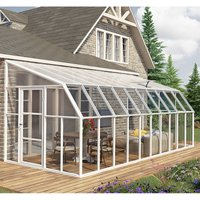
Discover the magic of garden structures that transform your outdoor space into a serene retreat. From pergolas to gazebos, explore various designs, materials, and benefits.
The Charm of Pergolas: Shade with Style
Pergolas are a popular choice for those looking to add a touch of elegance and shade to their gardens. These open-air structures, often made from wood, metal, or vinyl, provide a framework for climbing plants, creating a natural canopy. The dappled sunlight filtering through the beams offers a perfect balance of light and shade, making them ideal for outdoor dining or relaxation. A significant advantage of pergolas is their versatility in design; they can be freestanding or attached to a building, adapting to various garden layouts.
Gazebos: The Quintessential Garden Retreat
Gazebos are the epitome of garden luxury, offering a sheltered space to enjoy the outdoors regardless of the weather. Typically octagonal or hexagonal, these structures are constructed from materials such as wood, metal, or composite. The enclosed roof provides protection from rain and sun, making it a perfect spot for social gatherings or quiet solitude. Unlike pergolas, gazebos often come with built-in seating, enhancing their comfort and functionality. Choosing a gazebo with screens or curtains can add an extra layer of privacy and protection from insects.
Arches and Arbours: Gateway to Greenery
Arches and arbours serve as enchanting entryways into your garden, creating a sense of transition and anticipation. These structures are perfect for supporting climbing plants like roses or clematis, adding vertical interest and fragrance. Arches are typically minimalist in design, while arbours can feature benches for a restful pause. The choice of material, whether wrought iron, wood, or composite, can dramatically affect the style, from rustic to contemporary.
The Versatile Trellis: More Than a Plant Support
Trellises are often underestimated in their ability to enhance a garden’s aesthetics and functionality. Available in a variety of materials, including wood, metal, and plastic, trellises can be freestanding or wall-mounted. They provide essential support for climbing plants, helping to maximise vertical space and create privacy screens. A trellis can also serve as a decorative element, adding texture and pattern to garden walls or fences. For those with limited space, a vertical garden trellis can be an excellent solution for growing herbs or flowers.
Greenhouses: Cultivating Creativity
Greenhouses offer a controlled environment for growing a variety of plants, extending the gardening season and enhancing plant growth. Available in various sizes and materials, such as glass and polycarbonate, greenhouses cater to both amateur and experienced gardeners. The choice between a freestanding or lean-to greenhouse can depend on the available space and the specific needs of the plants you wish to cultivate. Incorporating ventilation and heating systems can further optimise conditions for year-round gardening success.
Choosing the Right Material: Wood, Metal, or Composite?
The material of your garden structure significantly impacts its durability, maintenance, and aesthetic appeal. Wooden structures offer a natural, timeless look but may require regular treatment to prevent rot and insect damage. Metal structures, such as those made from steel or aluminium, provide a modern, sleek appearance with less maintenance, though they can be prone to rust if not properly treated. Composite materials offer the best of both worlds, combining the natural look of wood with the durability of synthetic materials, often with minimal maintenance.
Customisation Tips for Personalised Outdoor Spaces
Personalising your garden structure can enhance its functionality and aesthetic appeal. Consider adding lighting to pergolas or gazebos for evening use, or integrating seating and storage solutions for added convenience. Painting or staining wooden structures can refresh their appearance and better match your garden’s colour scheme. For those looking to integrate technology, solar panels or smart irrigation systems can be incorporated into larger structures like greenhouses, promoting sustainability and efficiency.
Structural Differences: Freestanding vs. Attached
When planning your garden structure, consider whether a freestanding or attached design best suits your needs. Freestanding structures offer flexibility in placement and can serve as focal points in your garden. In contrast, attached structures, such as lean-to greenhouses or attached pergolas, can provide seamless integration with existing buildings, often requiring less material and offering increased stability. Your choice may depend on your garden’s layout, the intended use of the structure, and personal preference.
Maximising Space with Multi-Functional Designs
For gardens with limited space, multi-functional structures can offer significant benefits. Consider a pergola with integrated planters or a gazebo with built-in storage. Vertical gardens or trellises can maximise planting space without occupying valuable ground area. Creative solutions like these not only enhance the utility of your garden structures but can also contribute to a more organised and visually appealing outdoor environment.
Understanding Local Regulations and Permits
Before installing any garden structure, it’s essential to understand the local regulations and permit requirements. These can vary significantly depending on your location and the size and type of structure you plan to build. Consulting with local authorities or a professional contractor can help ensure compliance and prevent potential legal issues. Additionally, considering the environmental impact and sustainability of your chosen materials can contribute to a more eco-friendly garden design.
[Sassy_Social_Share]